
When you pick up a Scout rifle, that compact, fast-handling design from Colonel Jeff Cooper clicks right away. You want something you can carry all day and deploy quickly, and get on target quickly. With access easier than ever, adding a suppressor should enhance that same experience without turning your handy rifle into a cumbersome, unwieldy club. That is exactly where reflex suppressors (often called Over the Barrel or “OTB” suppressors) and their dedicated mounts are best suited. Silencer Shop carries options built for this kind of shooting and sporting activity, and today we’ll explore this often-overlooked niche corner of the suppressor world to see what Reflex Suppressors have to offer.
What Reflex Suppressors Are and Why They’re Perfect for Scout Rifles
A reflex suppressor, sometimes called over-the-barrel or OTB, mounts in such a way that part of the can extends backward over the barrel. Instead of hanging everything out front and forward of the end of the barrel, you borrow unused space around the barrel to create a larger blast chamber. The result is more volume for gas expansion without stacking extra inches onto the muzzle.
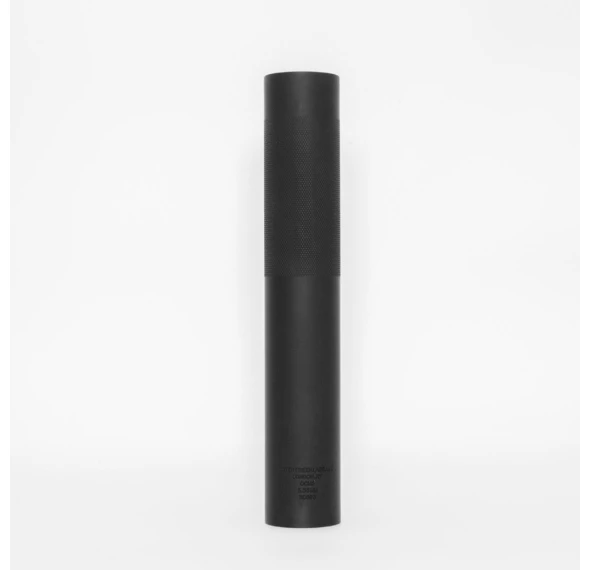
Scout rifles and some modern integrally suppressed designs take this idea to its fullest logical extent. Traditional end-mount suppressors can push the balance forward and add noticeable length to an already optimized platform like a hunting rifle. Reflex designs keep the package not only much more compact, often adding just a few inches, but they also sometimes shift some weight rearward for better handling. Hunters in particular will notice the difference immediately on rifles like Steyr Scouts or similar bolt guns with exposed barrels ahead of the front sight or gas block if a suppressor is added. These platforms tend to become quite front-heavy when paired with even the lightest traditional suppressors.
How the Reflex Suppressor Works
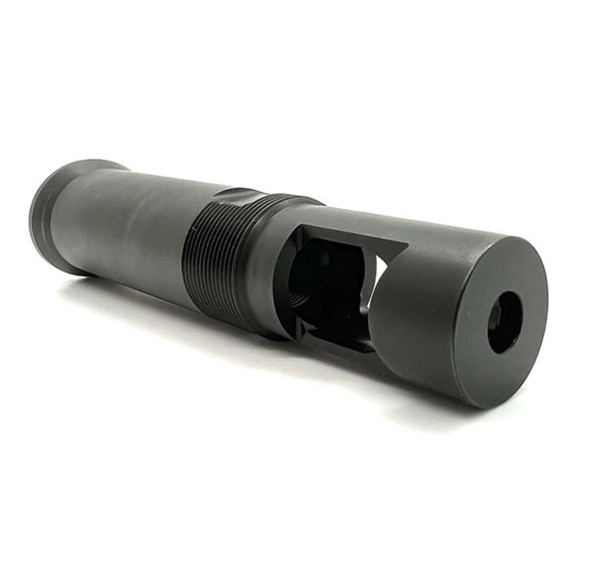
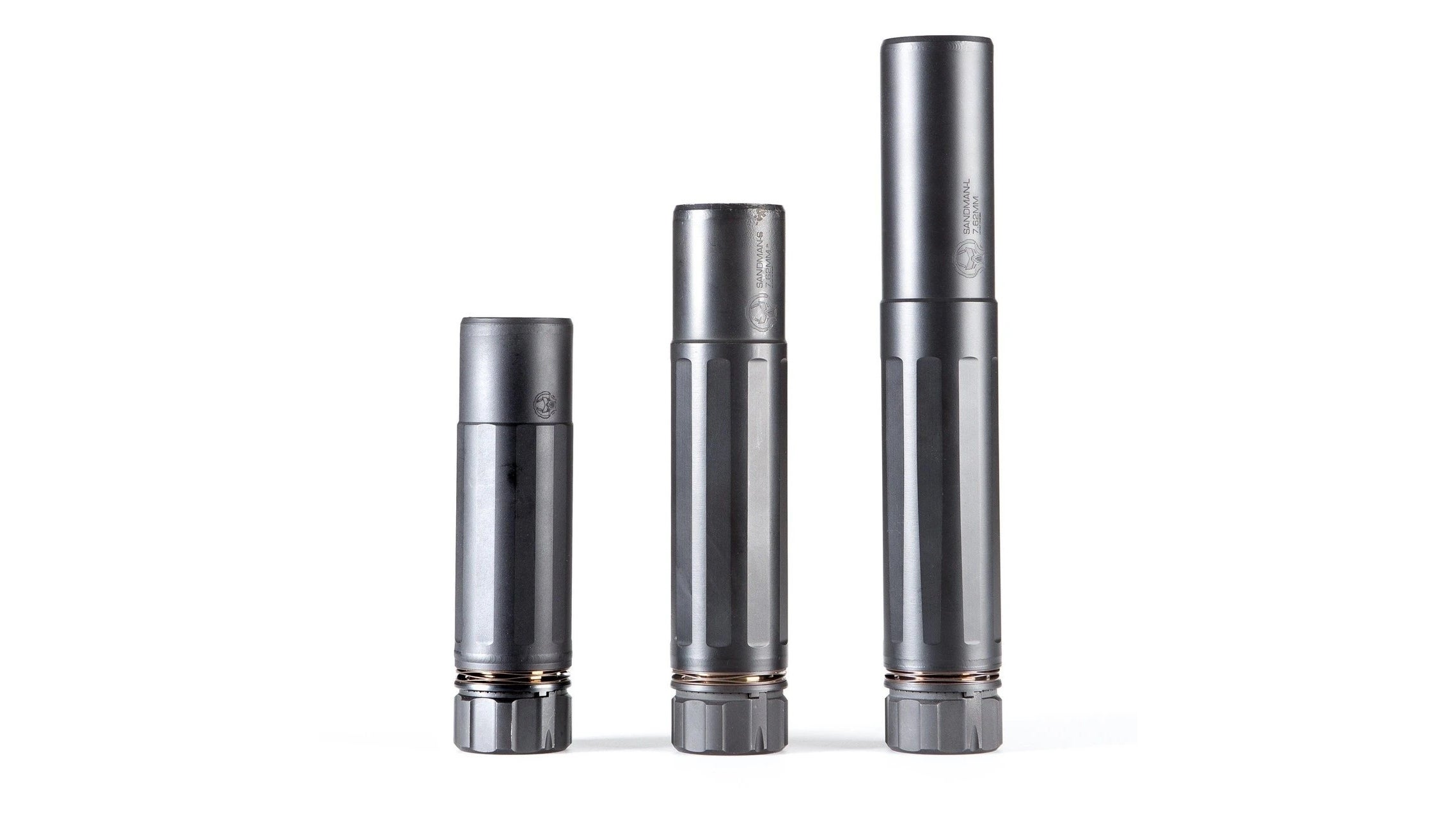
The reflex mount is the key hardware that makes a reflex suppressor work. It typically includes a muzzle device or adapter threaded to the barrel, plus a rear section or collar on the suppressor that slides over the barrel and locks securely, creating a second point of contact and sometimes lockup. Many setups use a two-point attachment: threads at the muzzle for primary alignment and a rear bushing or collar for stability. The Dead Air Nomad OTB is a recent addition to their lineup that mates two lightweight design concepts.
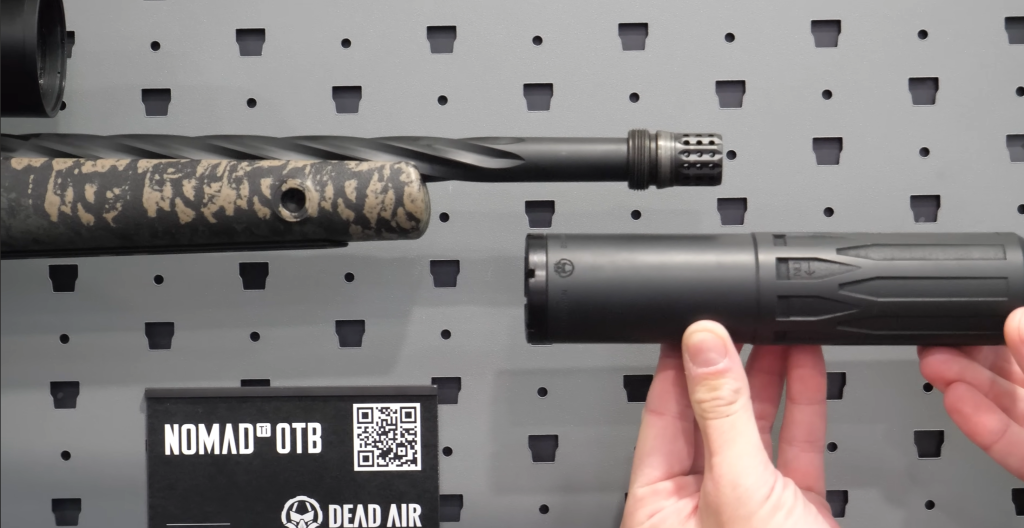
Options like the AB Raptor series available through Silencer Shop are perfect modern examples of a reflex suppressor. You get the suppressor body, flush-mount possibilities, and reflex pieces sized for your barrel profile, whether standard or bull. The reflex section threads onto the suppressor base and extends back, creating that expanded chamber. Swaps for different lengths give flexibility if you move the can between rifles to achieve similar results.
Installation of reflex suppressors adds, often complicating the mating step, but if better overall balance preservation and sometimes dB reduction are your ultimate goals, then this added layer of complexity in the beginning probably pays off. Proper barrel profiling and alignment matter even more than with traditional suppressor attachments, so the can seats straight and stays put under recoil. Once mounted, the system ends up feeling integrated, rather than an attachment. Good pairings will add much less extra length and weight, with most of the bulk being behind the suppressor. On Scout platforms, this often means adding as little as four to five inches overall while maintaining the rifle’s natural balance before the suppressor was mounted.
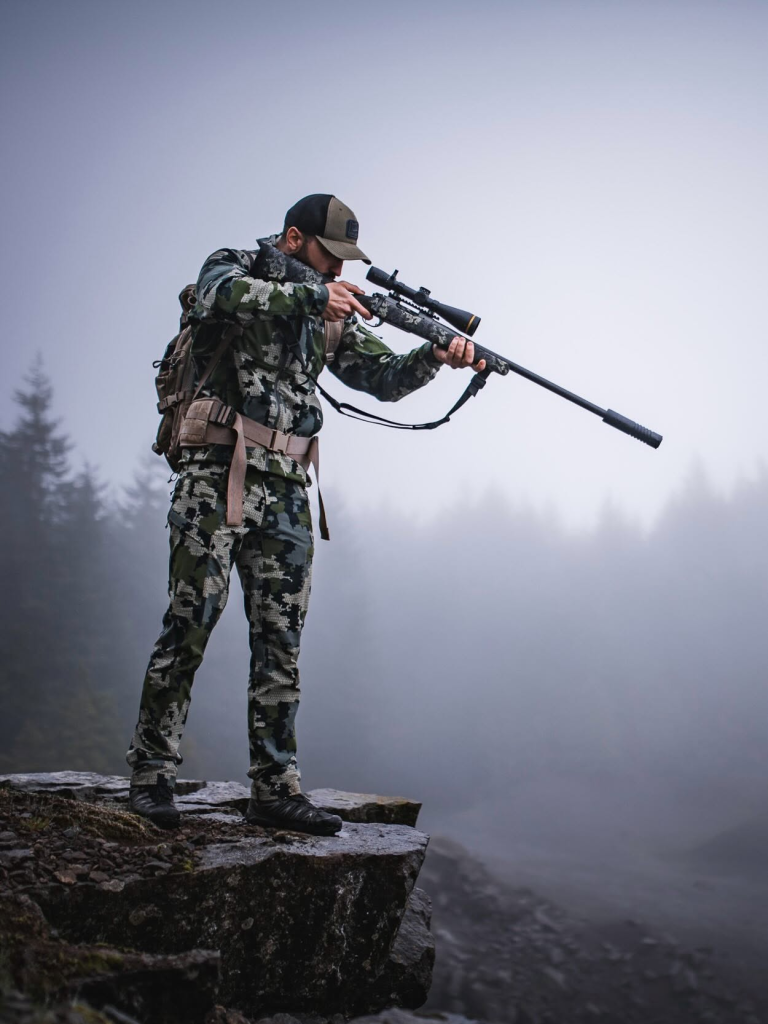
This often matters in modern NRL Hunter shooting sports. Reflex suppressors mean you are not fighting extra muzzle weight when you glass from awkward positions or move through shooting positions. Something I’ve learned very recently matters a lot when you’re trying to glass an animal at 500 yards and have no natural supports to use.

On modern practical Scouts or true Cooper-style builds, a suppressor is nearly essential for reduced signature, hearing protection, and recoil management, if not just because its the thing we do these days. Reflex options are simply a natural fit for the compact and lightweight nature of a Scout Rifle. Backpressure is another practical angle. Reflex designs can manage gas flow differently from traditional cans, often producing a lower tone that feels less harsh according to a lot of shooters. On gas guns or certain bolt actions, this can reduce blowback or muzzle rise without major tuning and without the need for a true low-back-pressure design.
Reflex suppressors use the extra chamber volume to reduce gas in high-pressure rifle cartridges. While you are losing a lot of volume by choosing to wrap the suppressor around the barrel, reflex suppressors, to me at least, seem to trap gas just fine when paired with an appropriate cartridge and barrel length.
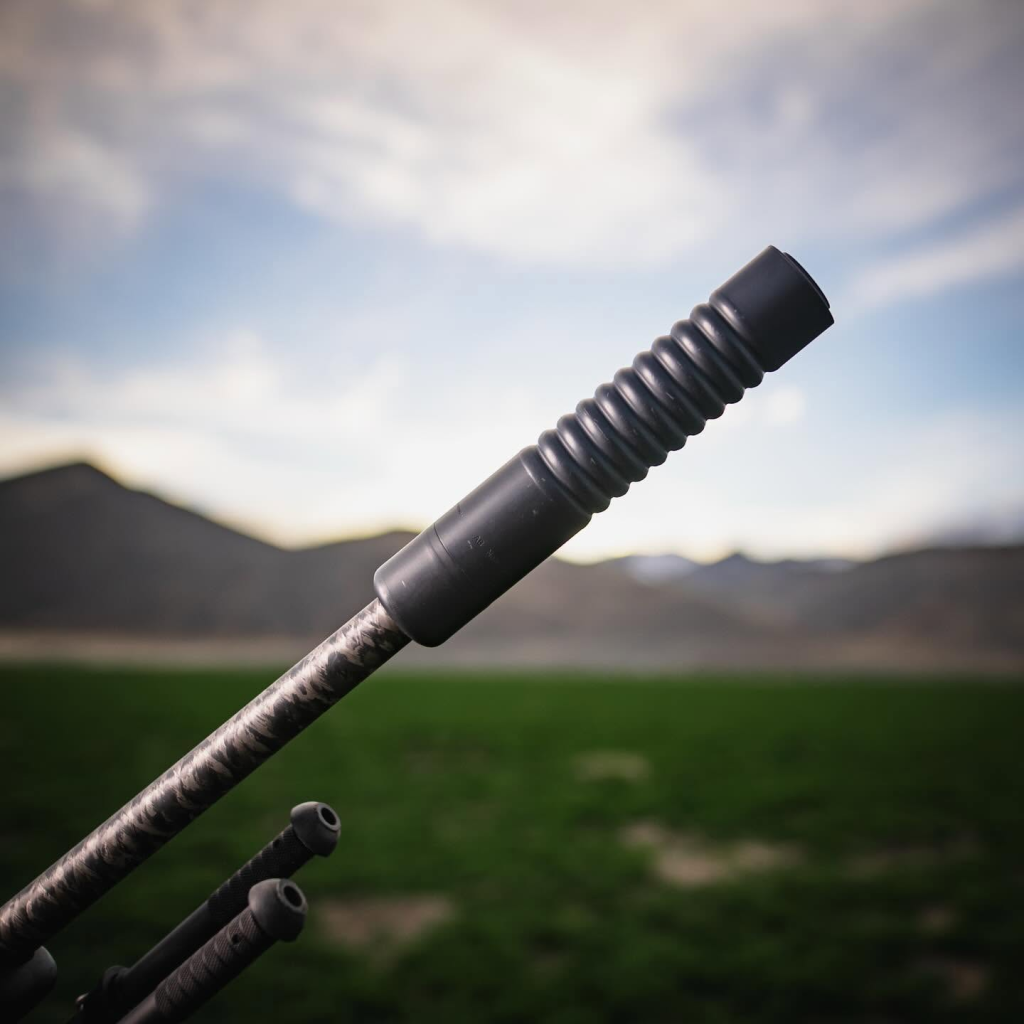
While I have yet to have a zero point of impact shift from any suppressor I’ve tested, overall accuracy stays consistent for most users when the mount aligns properly. Many users of reflex suppressors zero with the can on and see no shift worth noting, especially on well-built platforms. Diameter also plays a role with iron sights. Scout rifles often have higher sight lines that clear many reflex cans nicely since they often have a larger overall diameter compared to traditional suppressors.
Tips for Choosing a Reflex-style Suppressor
Measure your barrel contour and exposed length ahead of any sight or gas block. That determines reflex depth. Start with a quality muzzle threading job if needed, and consider a brake or flash hider compatible with the system for recoil control even without the suppressor, or if you’re planning on using the same suppressor for multiple rifles. If you’re looking for the bleeding edge of technology and have a bunch of money to spare, some interesting things in OTB Suppressor technology are already available if your wallet is deep enough.

While modern suppressors often have much more forgiving cleaning schedules and regimens, anything with a QD locking collar is almost 100% susceptible to high round counts, and if you run your rifle hard, a reflex suppressor will often have 2x the parts to clean since it has 2x the locking surfaces, so it’s best to do it while it’s easy to take off. If you’re leaning hard into the scout rifle or lightweight pack gun thing, you should prioritize lightweight titanium and keep added length as little as possible, and this will usually mean that your expected round count will be a lot lower than with a hard-use carbine can.
Final Thoughts
Reflex suppressors and their mounts deliver exactly what Scout rifle owners need: meaningful suppression without sacrificing the platform’s compact, balanced nature. Designs that add minimal length while controlling weight prove you can have extra blast chamber volume, lower tone, and easy handling all in one package.
If you are building or refining a Scout rifle, head over to SilencerShop.com to browse reflex-ready options and mounting systems. Their guides and team make it easier to choose smart and shoot quieter. Your rifle, your ears, and everyone downrange will notice the difference.

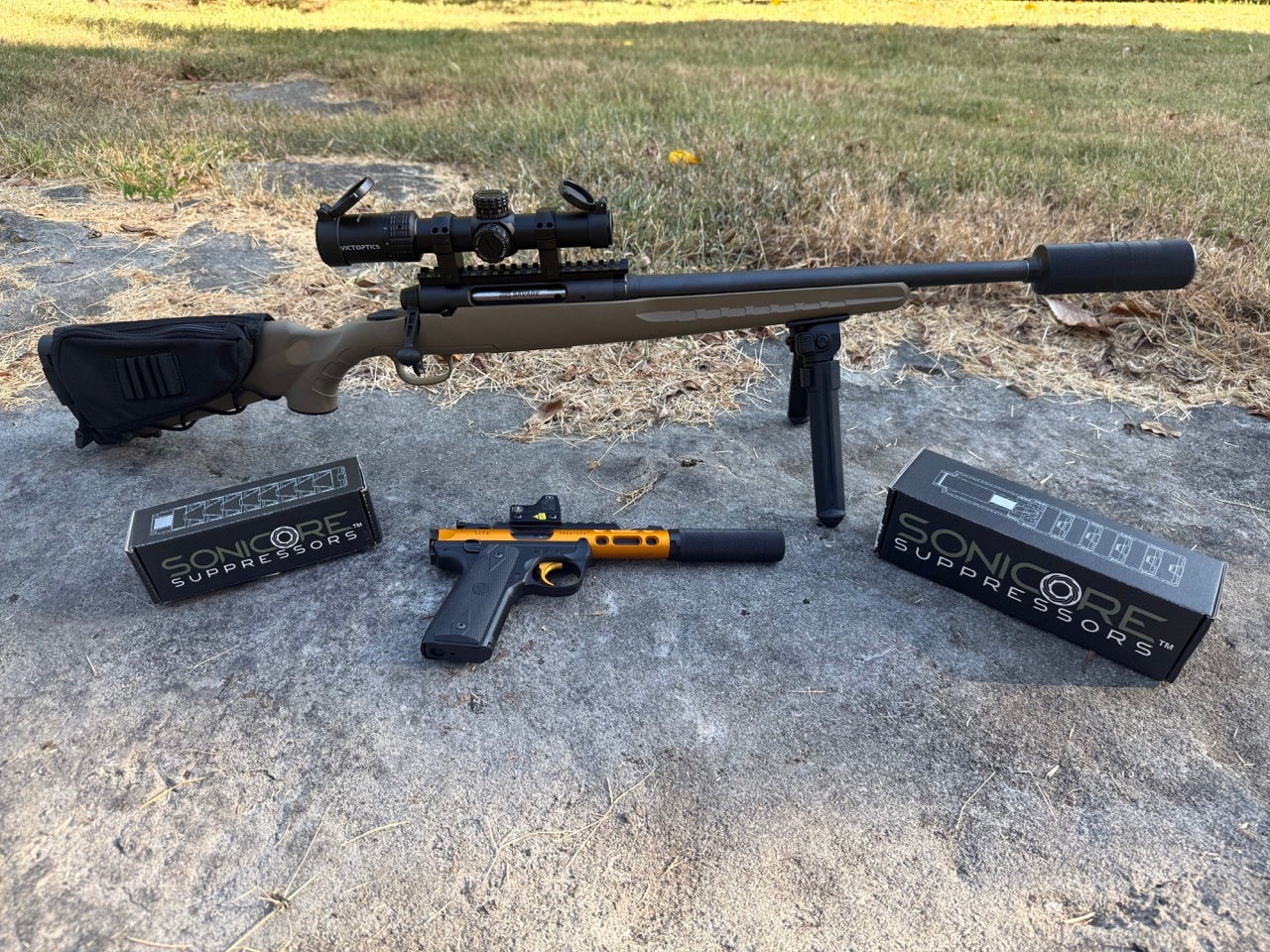


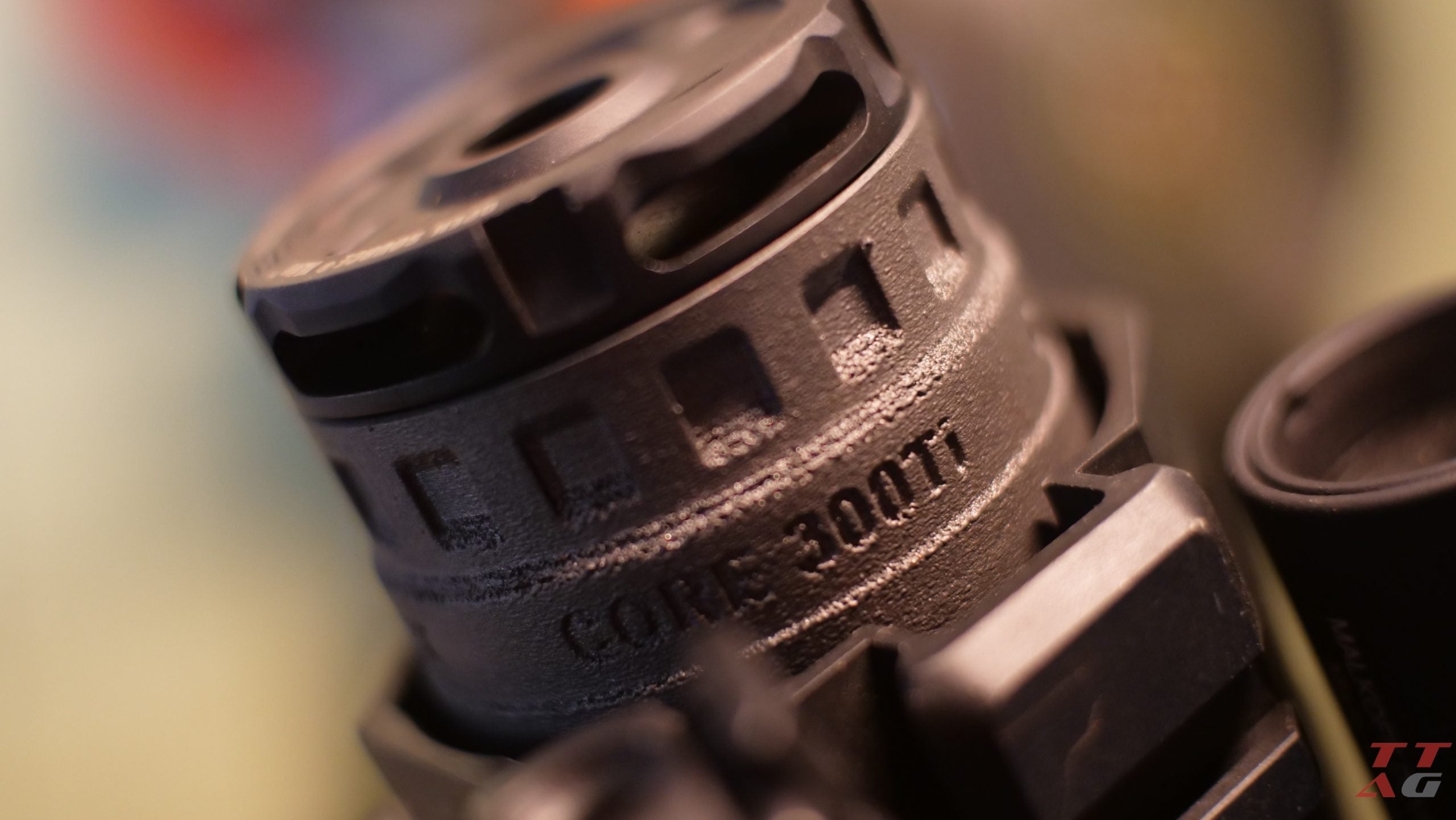

Some things should really be obvious to anyone. Do not put your reflex can over a composite barrel unless it’s a onesie-twosie hunting bolt action. See, suppressors on ARs get extremely hot and those spendy barrels are epoxied together…
Even on all-metal barrels, the compounded heat buildup on the reflex portion can increase barrel whip and widen groups, especially on pencil profiles.
Just another design tradeoff to be aware of.