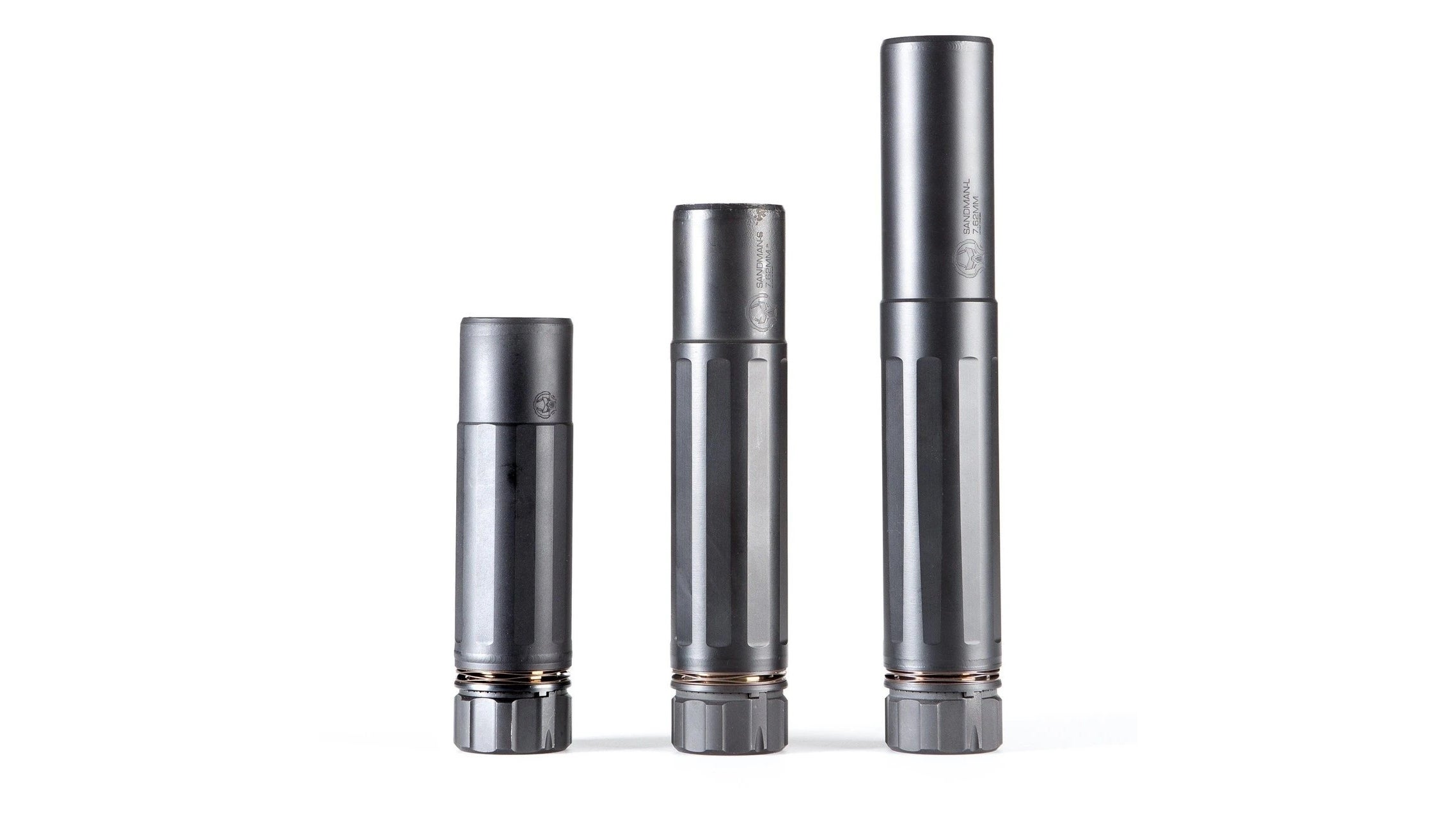
Count the 5.56 suppressors under six inches at your local gun shop’s suppressor counter, then think back to what that same shelf looked like in 2019. Short cans went from a niche request to a default recommendation in about five years, following some similar trends in other parts of the industry that quickly came into and sometimes out of vogue.
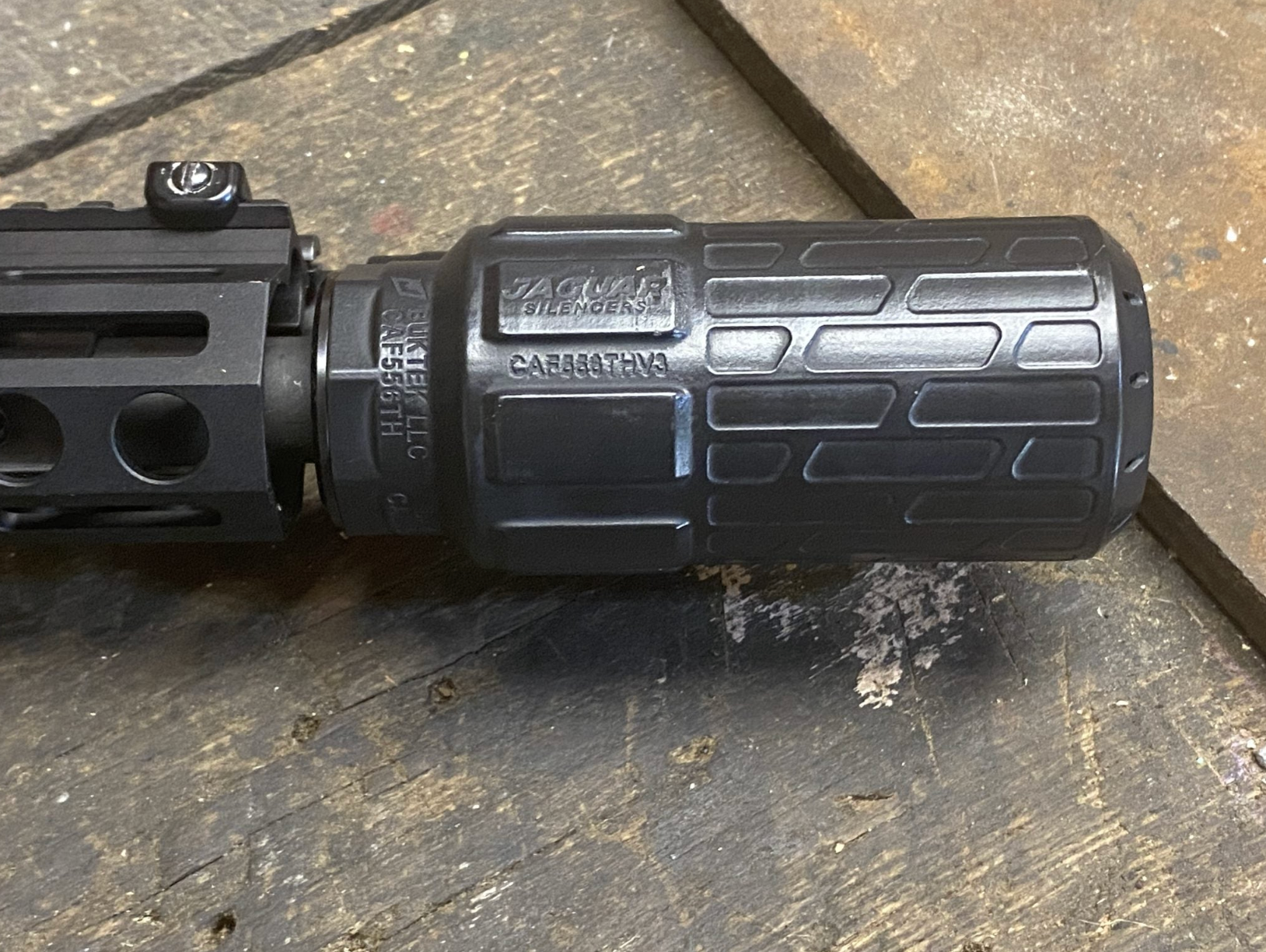
A K-can suppressor gives you a rifle you can more easily clear a doorway with, a front end that doesn’t fight your support hand, and a package that fits in a patrol rack, rifle case, or a truck console with the can still attached. The technology we have access to these days, and manufacturing practices we use, have also improved so much that a lot of the former downsides of shorter cans are often negated. But not in every case. So today we’ll talk about when short becomes too short.
What the “K” Means
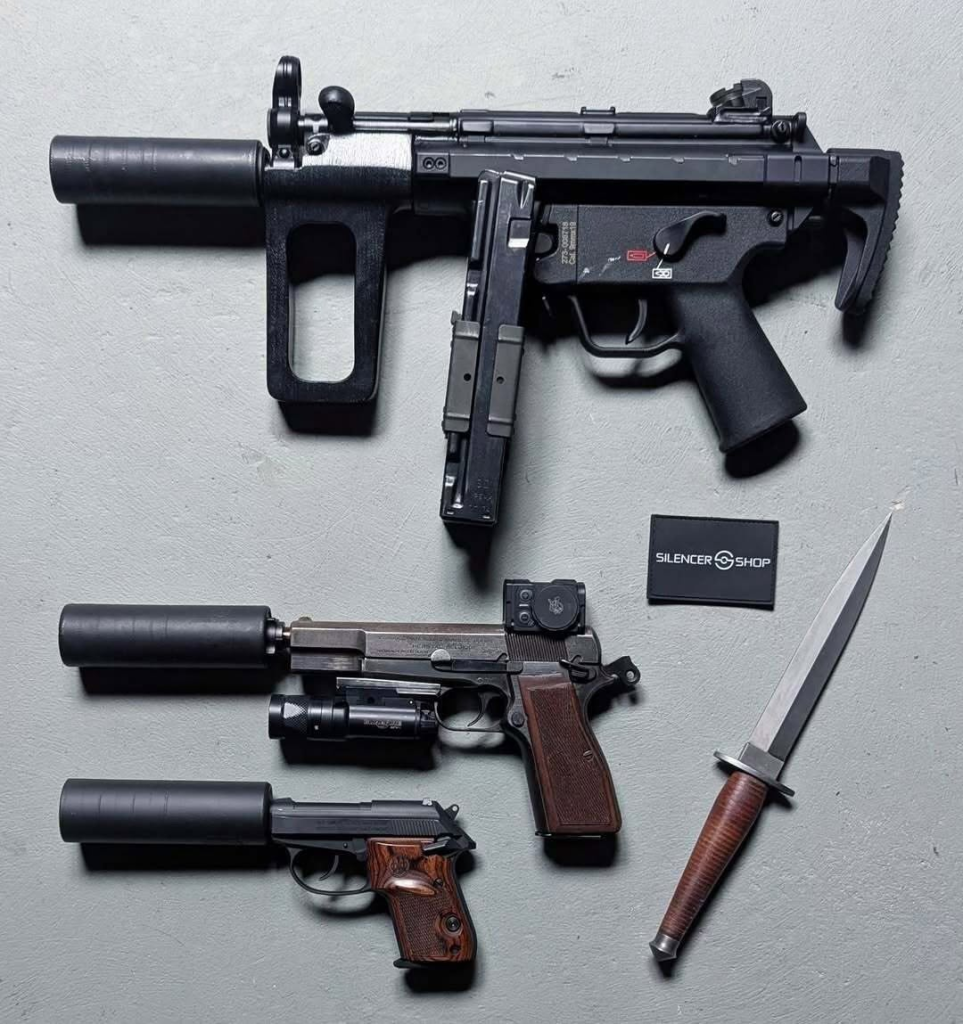
K, as you all probably already know, comes from kurz, German for short. There’s no ATF definition for this or official set of measurements to officially designate a suppressor as definitely being a “K Can.” There are no SAAMI specs, and no industry body enforcing what defines a K can.
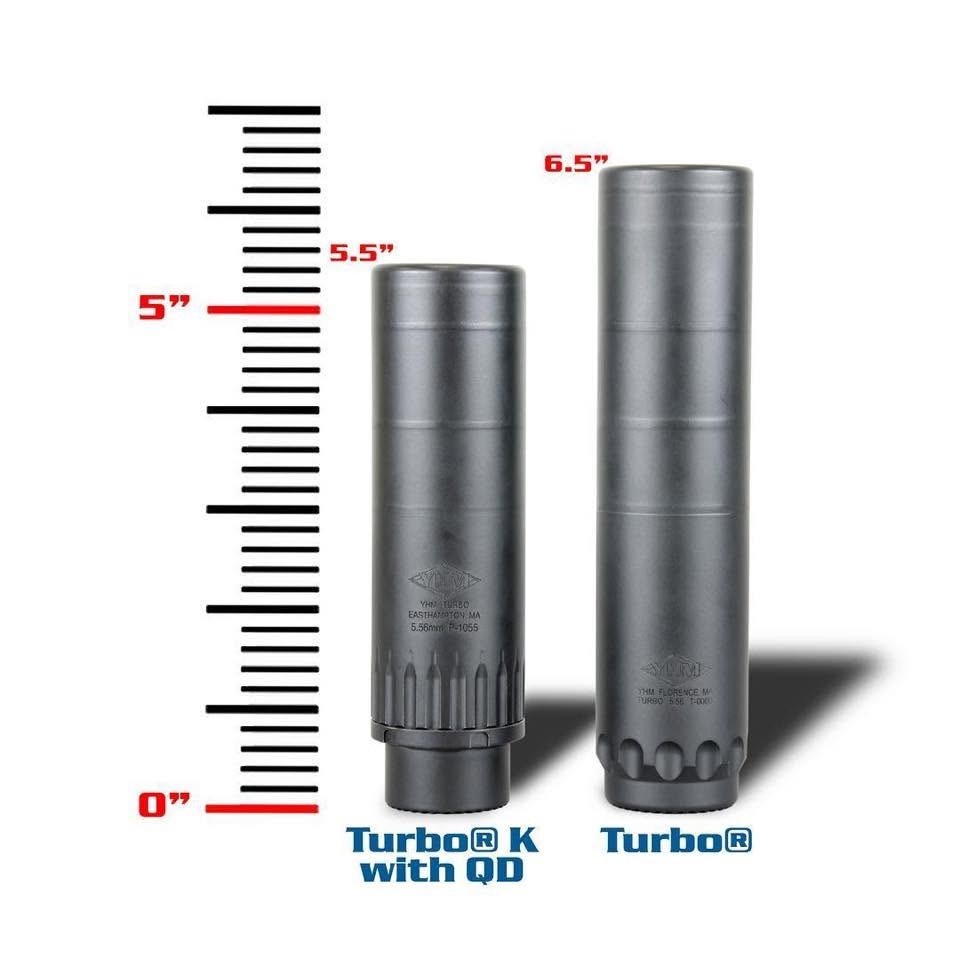
However, in practice, manufacturers hang the K designator on anything around six inches or less, and most current examples land between 4.5 and 5.5 inches in the modern age. Sometimes it just happens to be shorter than its preceding, longer suppressor model.
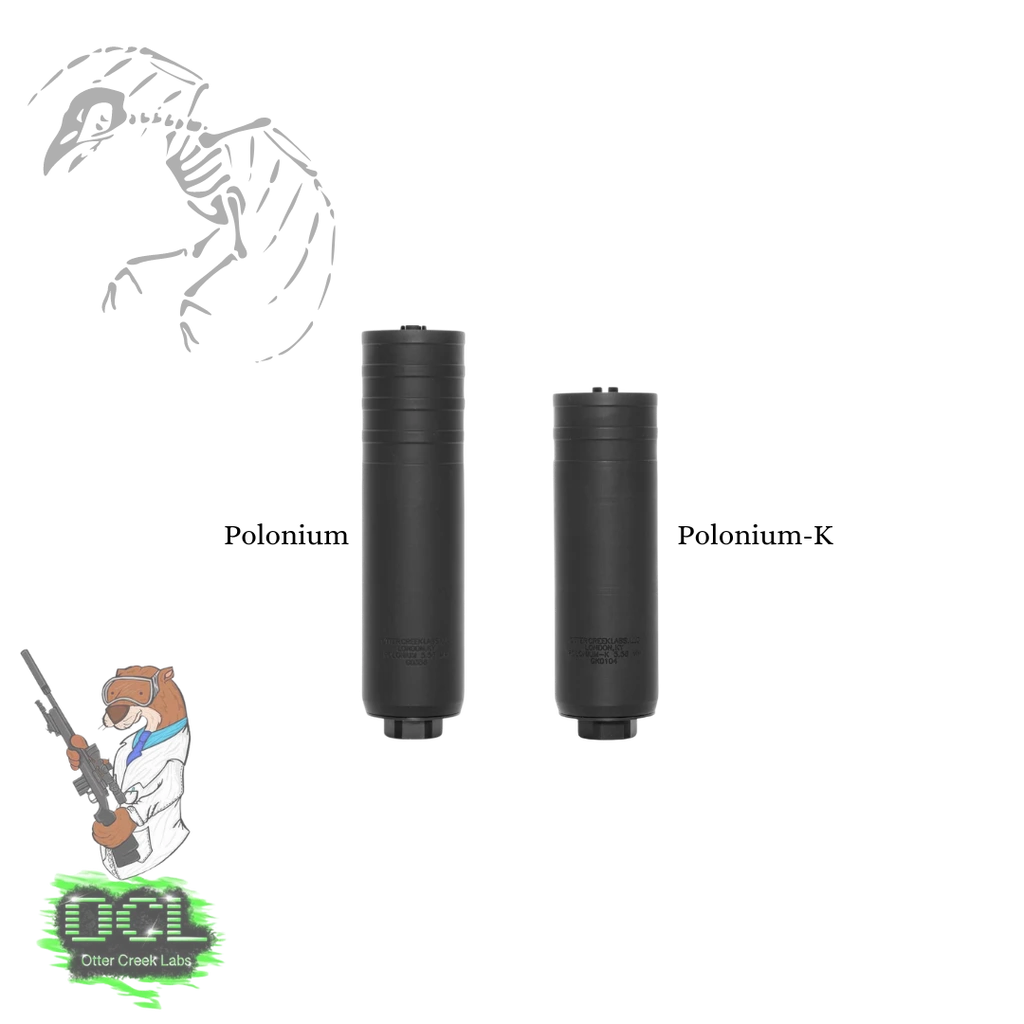
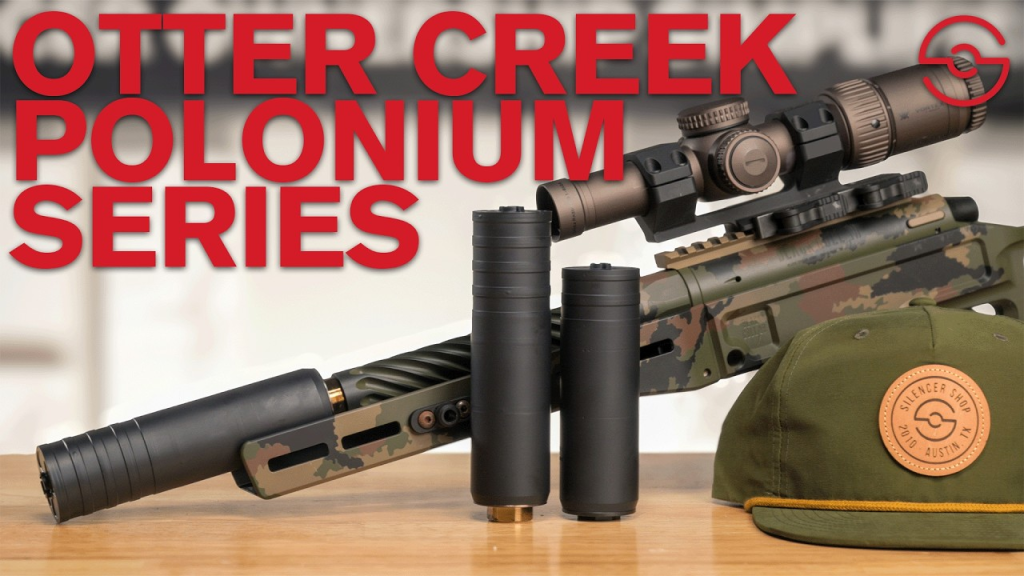
The clearest way to see the trade is against a can’s own full-size sibling. Otter Creek Labs lists the Polonium at 5.8 inches and 13.5 ounces. The Polonium K runs 4.8 inches and 11.5 ounces. Same H900 heat-treated 17-4 stainless, same tubeless construction, same 1.375×24 HUB threads. You’re buying one inch and two ounces, and paying for it in internal volume and, by extension, some suppression capability with the same load and barrel length.
Cyclic Trends or Better Tech Tree?
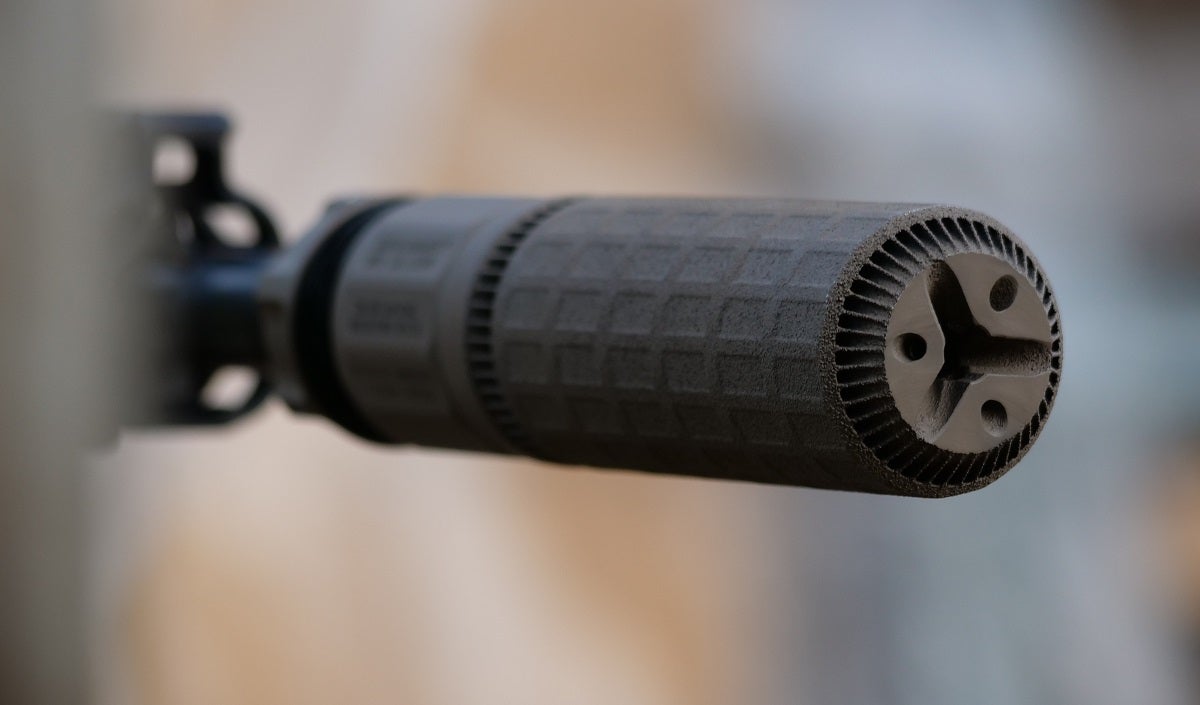
I think we can properly explain what happened during those rapid 5 years by looking at three things that seemed to happen all at once. Short suppressors are not new, but there are for sure a lot more of them now. First, additive manufacturing changed what a baffle stack can look like. Direct metal laser sintering (DMLS) prints titanium and Inconel in geometries nobody can cut on a lathe, and most humans could not design without the aid of a computer.
It’s manufacturing practices and designs like this that let engineers route gas through paths that use a smaller can far more efficiently. Silencer Shop’s primer on 3D printed suppressors covers how DMLS opened that door in greater detail than we’ll go over here. But for the sake of it, just know that DMLS 3D printing combined with highly complex computer modeling has allowed us to progress pretty far down the “fluid dynamics” tech tree when it comes to suppressor design.
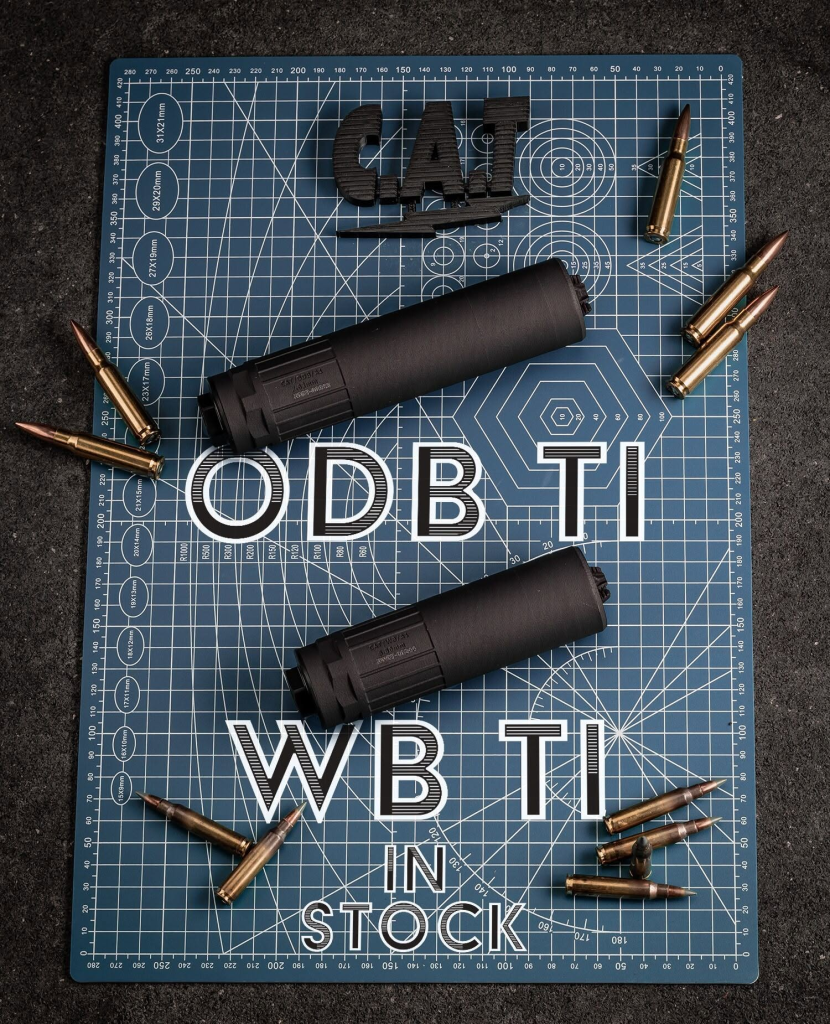
Flow-through designs, in particular, addressed the other half of the problem. A conventional baffle stack traps gas and sends a share of it back down the bore into your action. On short barrels, that effect can push bolt carrier velocity 20 to 40 percent above unsuppressed baseline, which is why so many suppressed SBRs need an adjustable gas block and a heavier buffer just to behave. Vent that gas forward instead, and a short can stops beating up the host and vents more of that gas elsewhere.
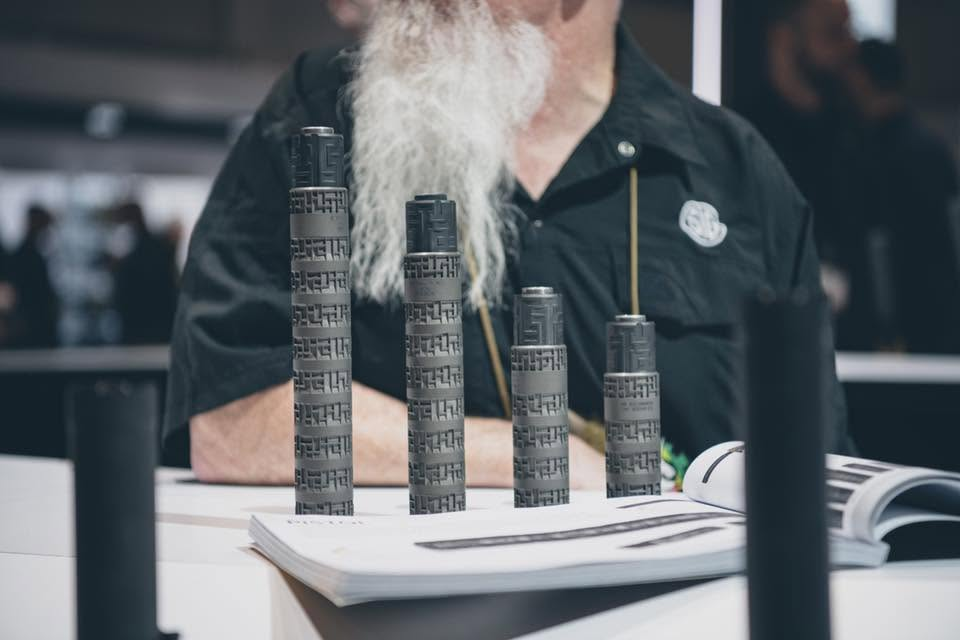
Money has also changed in several ways. I won’t speak to the state of the economy compared to how it was even just 20 years ago. Thankfully, the $200 transfer tax on suppressors and SBRs dropped to zero on January 1, 2026 under H.R.1. The Form 4 and the background check didn’t go anywhere, but a second dedicated can now costs exactly what the can costs. Shooters who used to buy one do-everything suppressor are buying a full-size for the hunting rifle and a K for the carbine. I’m starting to fall into that trap too, with a lot of my suppressor collection falling towards direct threading over the QD systems I favored in the past.
What You Give Up, and Why It’s Less Than It Used to Be
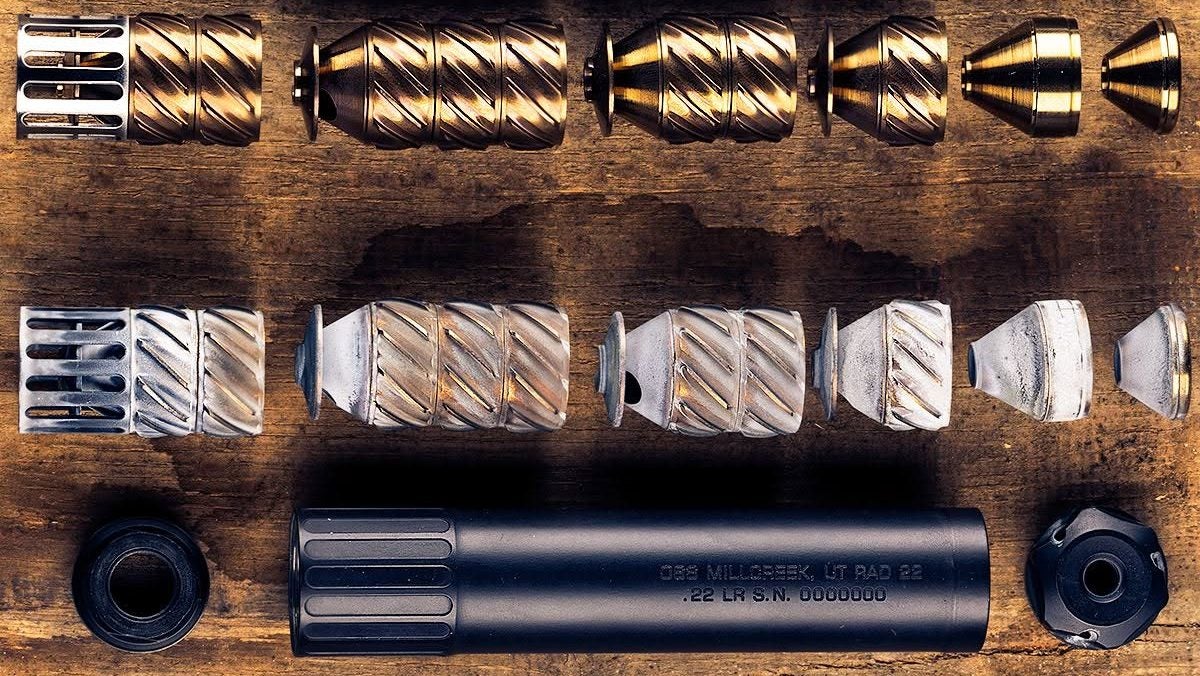
Expansion volume is a room for hot gas to slow down and cool before it reaches open air. To use an oversimplified Star Trek-style example, imagine you shout into a gymnasium, and the sound gets swallowed. Shout into a coat closet, and it comes right back at you. Cut an inch off a suppressor, and you’ve traded gym for closet, so gas leaves the muzzle hotter, faster, and louder.
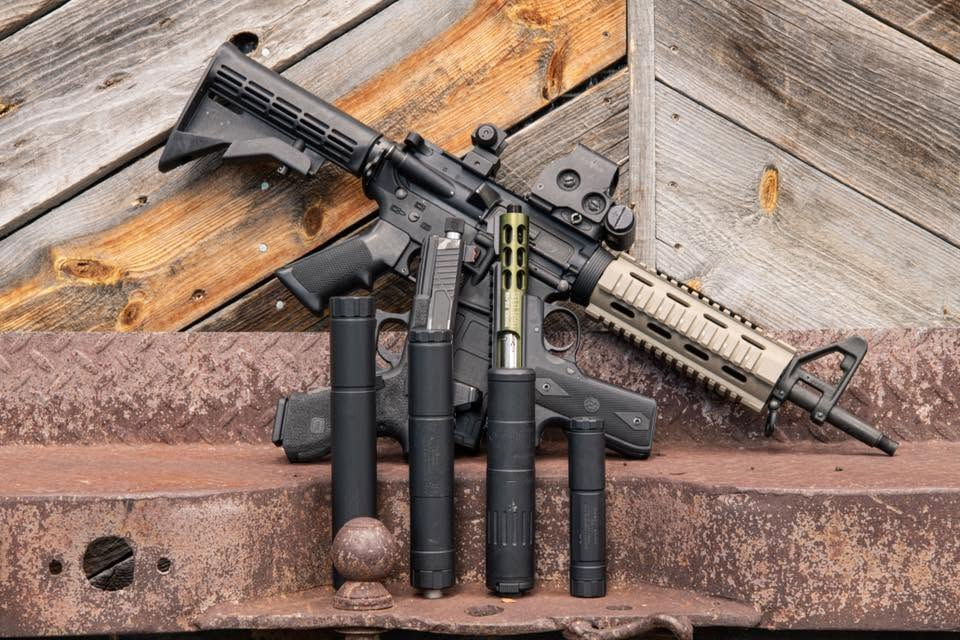
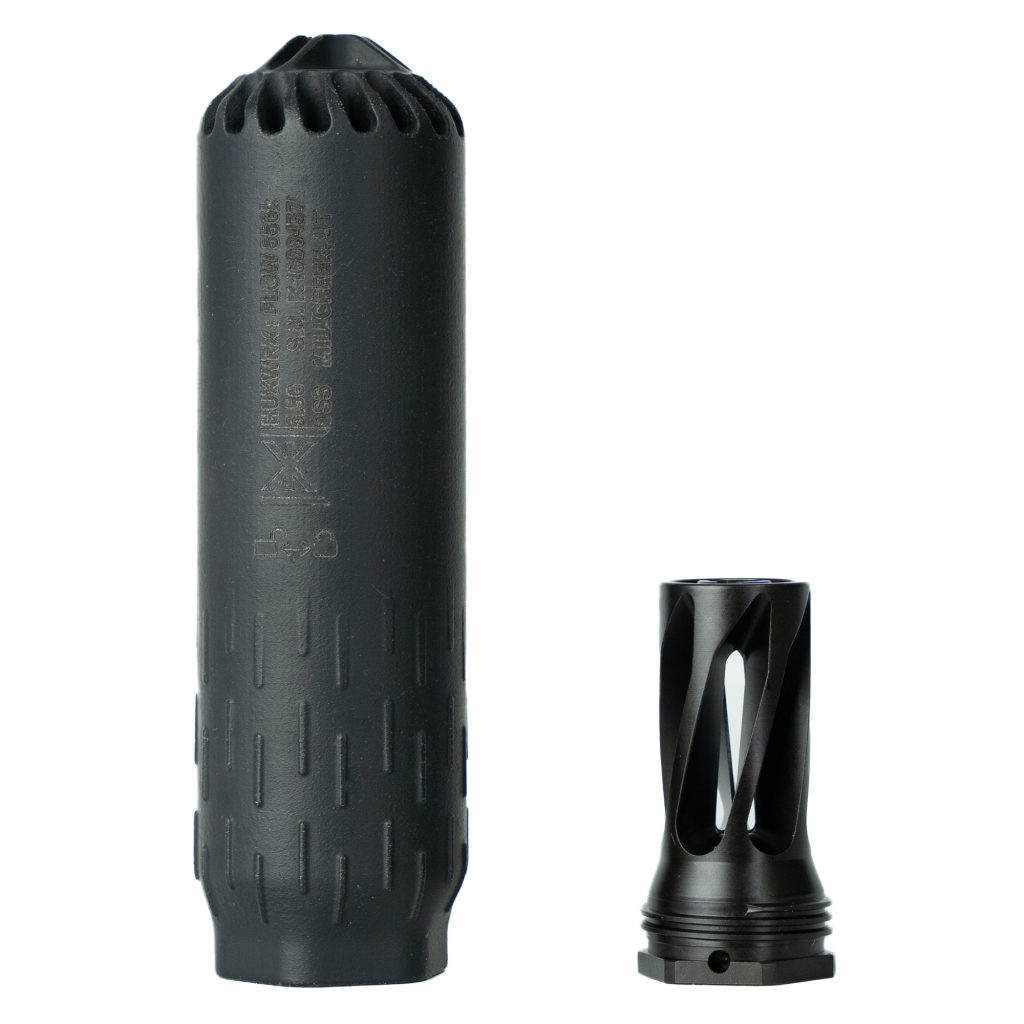
That shows up to the end user in three ways: a few more decibels at the ear (sometimes a lot), more visible flash (also sometimes a lot), and a more pronounced first-round pop on a cold can. The penalty is smaller than the old rule of thumb suggests these days, however. Silencer Shop’s own side-by-side of the Flow 556 Ti and the Flow 556K puts the gap at roughly one to two decibels on a given host, for 1.3 inches of length. While that is a relatively small difference even on a logarithmic scale, it’s still noticeable for a still-calibrated human ear, and whether it’s worth paying depends entirely on the rifle it’s going on.
The Spec That Actually Bites: Barrel Length
Short cans also frequently carry minimum barrel-length and rate-of-fire requirements, which vary wildly between models. To use the Polonium K as an example again, this particular suppressor wants at least 7.5 inches of barrel for 5.56 and 7.62×39, and 10.5 inches for 6 ARC or 6.5 Grendel. The CGS Hyperion K requires a 10-inch minimum for .300 Blackout. The HUXWRX Flow 556K carries no barrel length restriction at all and is also full-auto rated.
Those numbers are calculated based on the estimated amount of unburned powder and muzzle pressure climb you should expect as barrels get shorter, and a small can with few baffles has less margin to absorb it. Ignoring a minimum is how you end up with an erosion problem or a baffle strike, and neither is a warranty conversation you want to have if you can avoid it. Every one of those specs is published on the product page, and they should always be the first consideration in any suppressed build.
When is a K Can Too Short?
A few situations where the short one is the wrong answer.
Your host is a bolt gun. If you’re shooting a 22-inch hunting rifle off a tripod, overall length is an inconvenience, not a liability. Take the extra volume and the extra suppression. Some companies are desperately trying to combine shorter cans with greater volume, and even lighter materials, and the results look promising, but expensive.
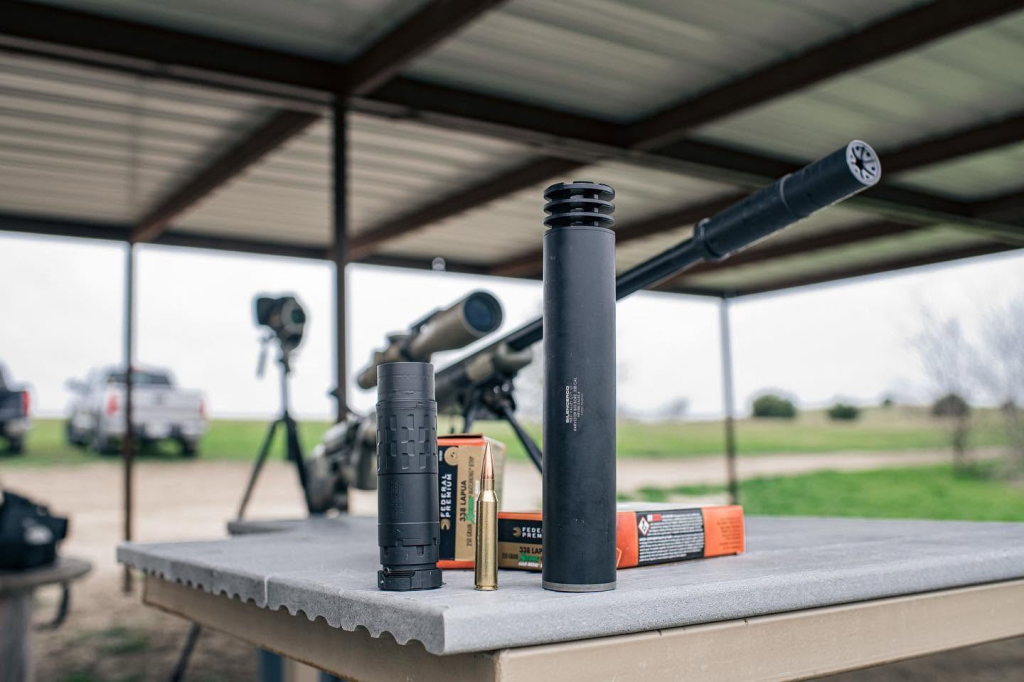
You’re feeding it big supersonic rounds from a short tube. A 10.5-inch .308 or supersonic .300 Blackout already generates brutal muzzle pressure. Stacking a minimum-volume can on top of that gets you a loud, flashy rifle with a heat problem and a short lifespan. On PDWs, you’re just fighting for decibels and inches and not getting back much even with subsonic ammo.
It’s your only can. If one suppressor has to cover a hunting rifle, a range gun, and a carbine, buy the version with more volume and accept the extra length.
You plan to shoot it without ears. Nothing on the market makes a 5.56 carbine safe unprotected, and a K can has less margin than a full-size. Treat published decibel numbers as comfort figures, not a carte blanche excuse to go no-ears during every range session just because you have a suppressor. There are actually very few suppressed rigs outside of 22LR, 45 ACP, and 300BLK that I’d definitely call hearing safe
Getting It Right the First Time
Silencer Shop’s Suppressor Finder can help you narrow down the perfect can for your build, no matter the cartridge or barrel length, in under a minute by caliber and host, and the 2026 roundup of 5.56 suppressors sorts current options by what each one is actually good at. Every product page lists length, weight, bore diameter, mount standard, and barrel minimums in one place, where the K versus full-size decision is usually settled. I’ll reiterate again that these numbers should be treated as gospel before any other considerations.
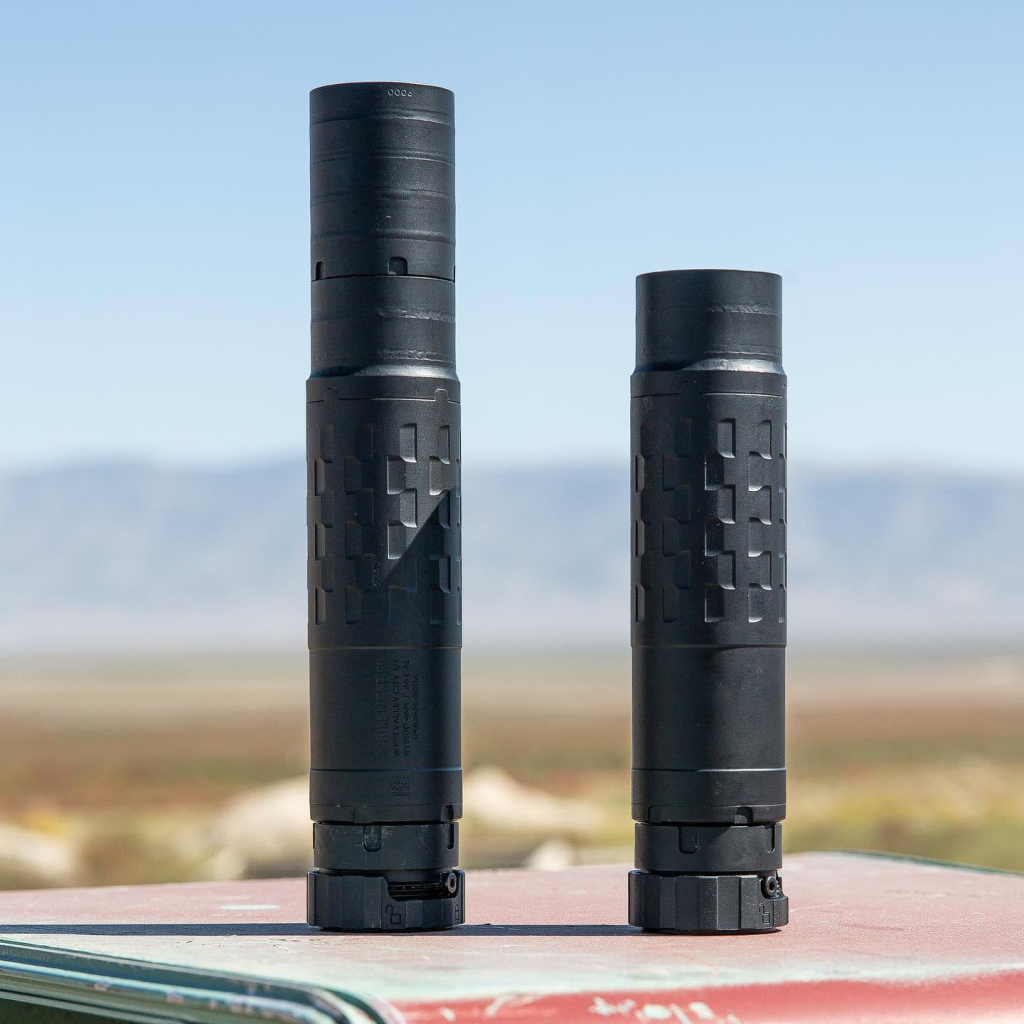
If it’s your first NFA purchase, the how-to-buy guide walks the process end to end, and a Powered By Silencer Shop dealer with a kiosk handles fingerprints and photos in one trip. With the transfer tax at zero, paperwork is the only real cost of entry left. Also worth watching if you’re really into crunching your numbers before you buy is a few size comparisons on Silencer Shop’s YouTube channel before you commit. A 4.8-inch can and a 5.8-inch can look nearly identical in a photo and feel completely different on a rifle.
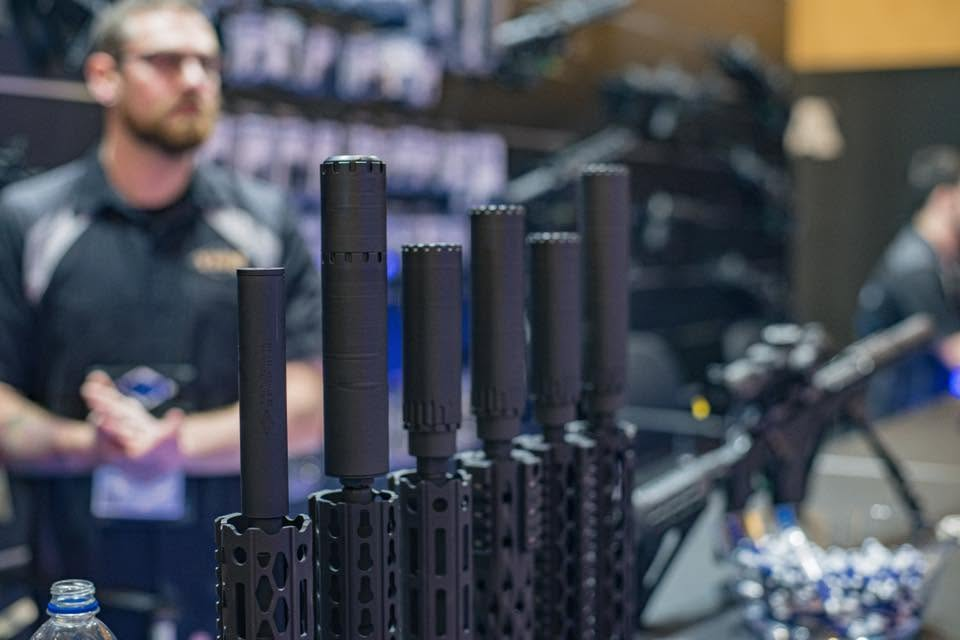
To sum it up in a few short thoughts I’ve had over the last 9 months of 2026: Short suppressors got good because the engineering got good, not because the market wanted small suppressors for their own sake or even for the style. Matching the can to the host is typically the only way a K earns its inch back every time you shoulder the rifle, and if you wind up matching it wrong, you’ll spend the rest of the ownership period wishing you’d taken the extra volume, instead of being the guy at the range with the loud suppressed gun.
More Silencer Coverage on TheTruthAboutGuns.com:
- Baffle Replacement and Suppressor Repair: Who Can Do It and How
- What Happens to Your Suppressors When You Die?
- US Suppressor Exports Move From ITAR to EAR in 2026
- Six Million Cans Registered: What the Data Says About Americans Buying Suppressors
- Can Someone Else Use Your Suppressor?