There has never been a better or easier time to own a suppressor than right now. Tax stamps are $0, and the approval time for Form 4s is days, not years. If you still don’t own a suppressor, it’s way past time you fixed that. If you’re looking for your next suppressor, you’ve come to the right place.
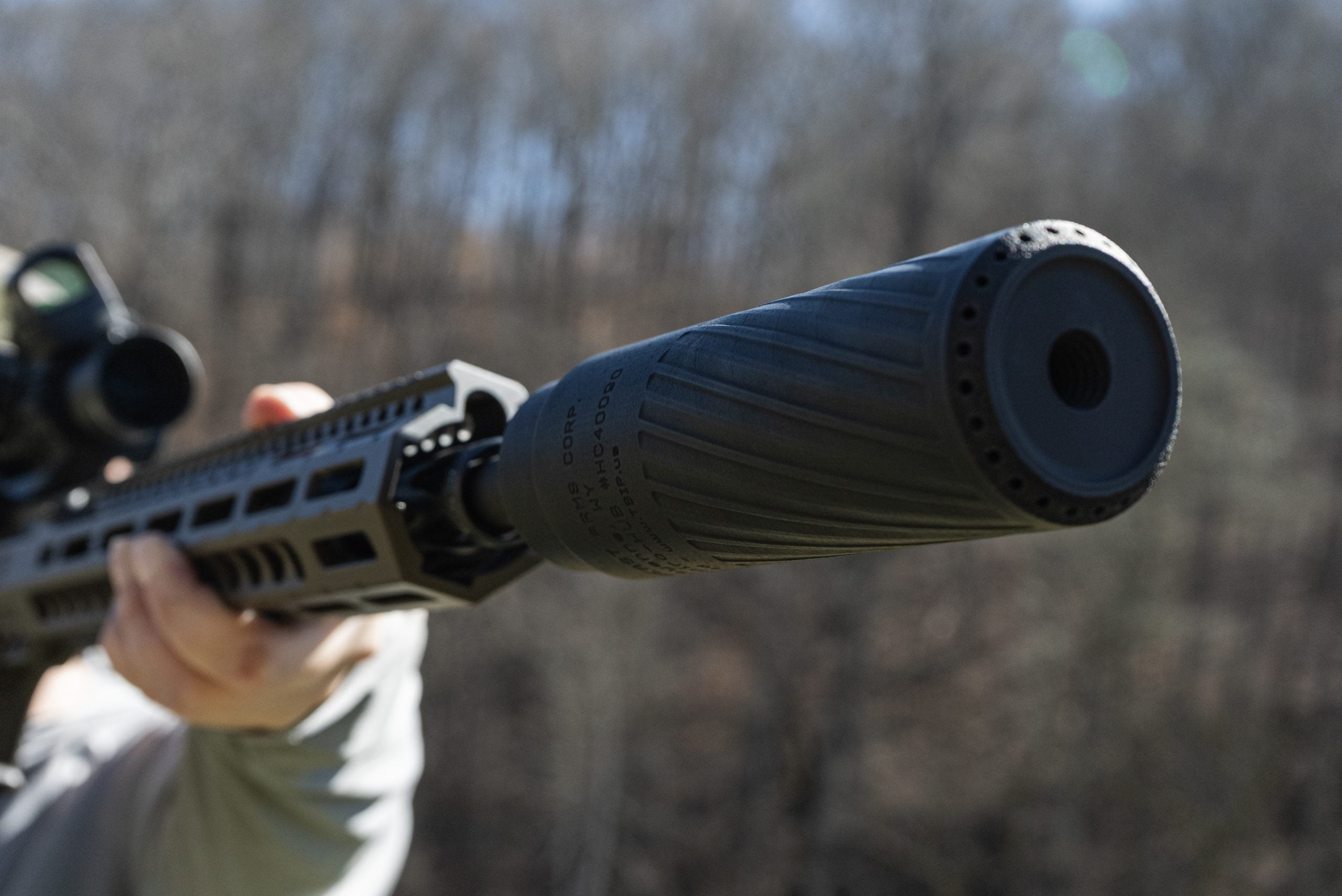
One of my all-time favorite suppressor manufacturers is Thunder Beast Arms. They make high-quality suppressors that can be run hard, abused, and will still function as good as the day you got it. They sent me the 5.56 SPIRO suppressor this year to test out, and I have shot over a thousand rounds through it already between myself, friends, and it being used at my Gal’s Day at the Range event. After all the use this suppressor has seen, I figured it was time to review it.
Low Back Pressure Suppressor
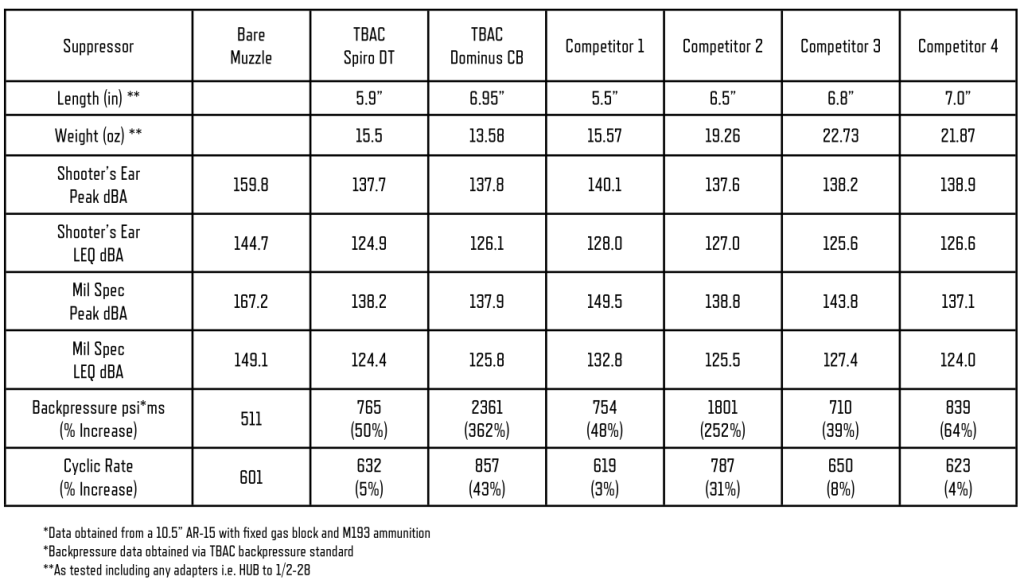
The SPIRO is a low-back-pressure gas-gun suppressor. It was first released in the 5.56 version that I have and is now available in a 6mm (6ARC) version as well. The 5.56 SPIRO increases back-pressure gas flow by only approximately 50% compared to a bare muzzle. Most low back pressure suppressors vary from 35% to 85%.
Thunder Beast Arms tested the SPIRO against other competitor suppressors. They tested back pressure, cyclic rate, and decibel ratings. They put the SPIRO, at 5.9 inches (5.3 inches with the direct thread model), against competitor models similar in length or much greater to show the level of performance the SPIRO offers even in such a short configuration.
Maximum Rated Caliber & Minimum Barrel Lengths
Every suppressor on the market has a maximum caliber rating and a minimum barrel length recommendation. Thunder Beast Arms performs extensive testing on their suppressors before they release any to the public. They share that suppressors may be used on shorter barrel lengths, but only if the temperature is controlled. The SPIRO .223/5.56 version suppressor is rated for use with .223, 5.56, and .22 Creedmoor ammunition. The minimum barrel length recommendations are below:
- “any” 4.6×30 HK, 5.7 FN
- 8-inch .223, 5.56mm, 5.45 Russian
- 12.5-inch 22 ARC, 224 Valkyrie
- 18.0-inch .22-250, 22 Creedmoor
Recoil Reduction
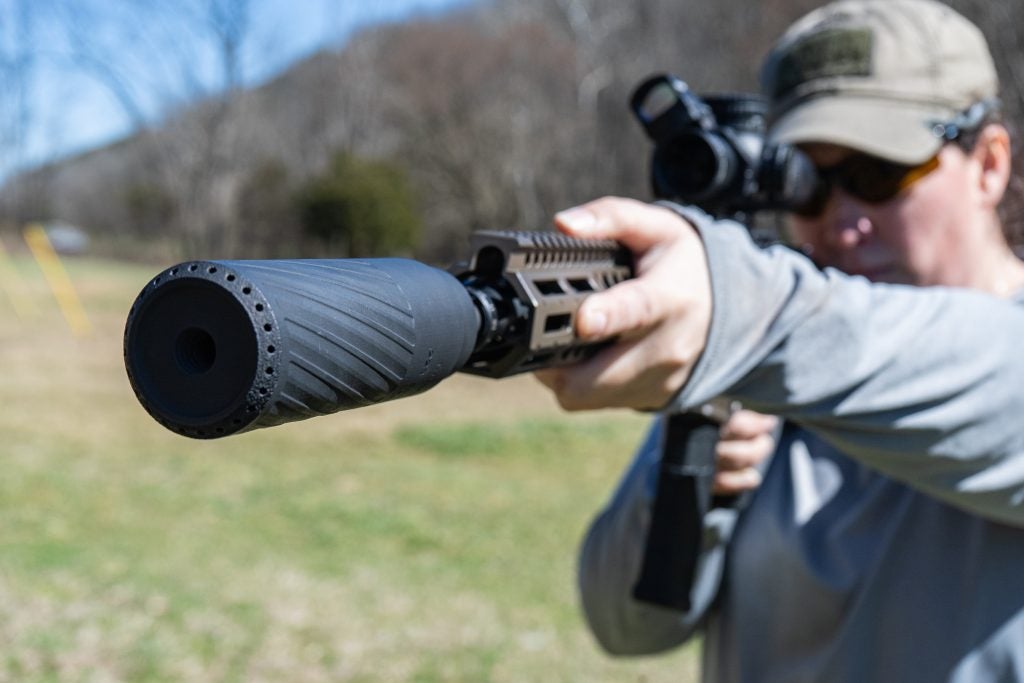
One of the main benefits of using a suppressor is the amount of recoil reduction in whatever type of firearm you mount one on. The SPIRO reduces recoil by about 40% compared to a bare muzzle. The amount of felt recoil on a suppressed AR is also dependent on what type of ammunition you use. Faster, 55-grain ammunition, for example, will have more perceived felt recoil than heavy 77-grain ammunition moving a lot slower. The sound and tone of the suppressor will also change based on ammunition.
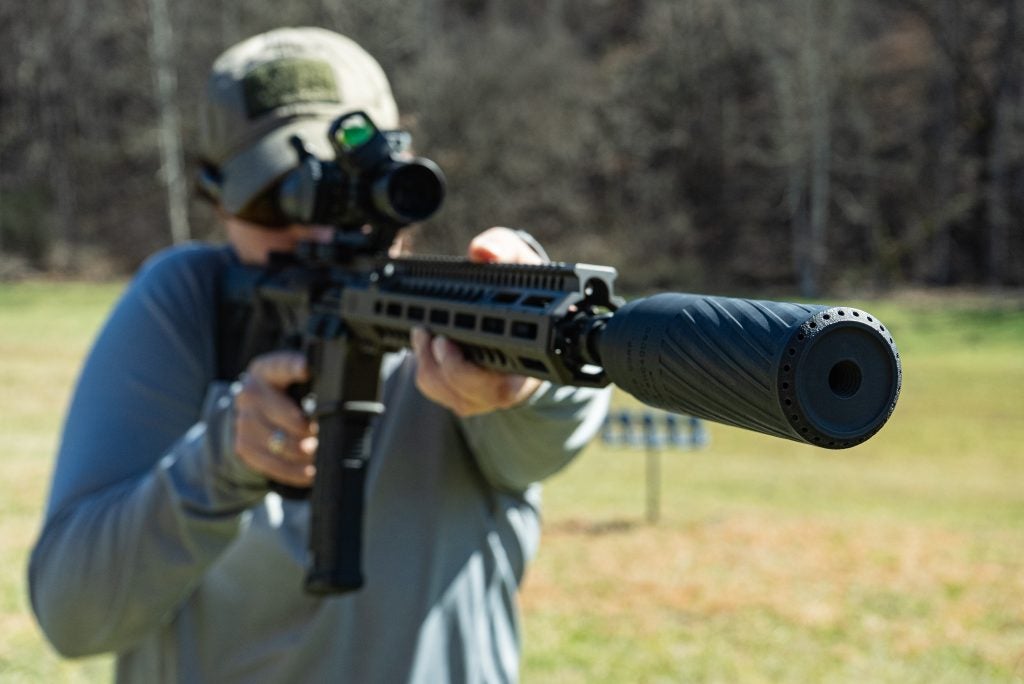
Mounting Options
The SPIRO is available in a direct thread (DT) and HUB version. If you want to dedicate the SPIRO to one gas gun, it is recommended to use the DT version and have it stay mounted on the rifle. The retention of the DT suppressor is provided by using the included Nord-Lock washer. The HUB version is a great option to add more flexibility in mounting the suppressor to multiple guns, but it carries some risk in how you use it. The SPIRO is full-auto rated, which for most end users means it can be used with a forced-reset trigger (FRT). While the suppressor is rated for it, the mounting system has to stay tight and keep the suppressor on straight while firing. If you opt for a cheap HUB mount or a HUB that is not rated for such fire, it is on you if you damage the SPIRO. Thunder Beast Arms even recommends using Loctite #272 to fix the HUB mount into the suppressor if you plan to use heavy firing schedules.
Length & Weight
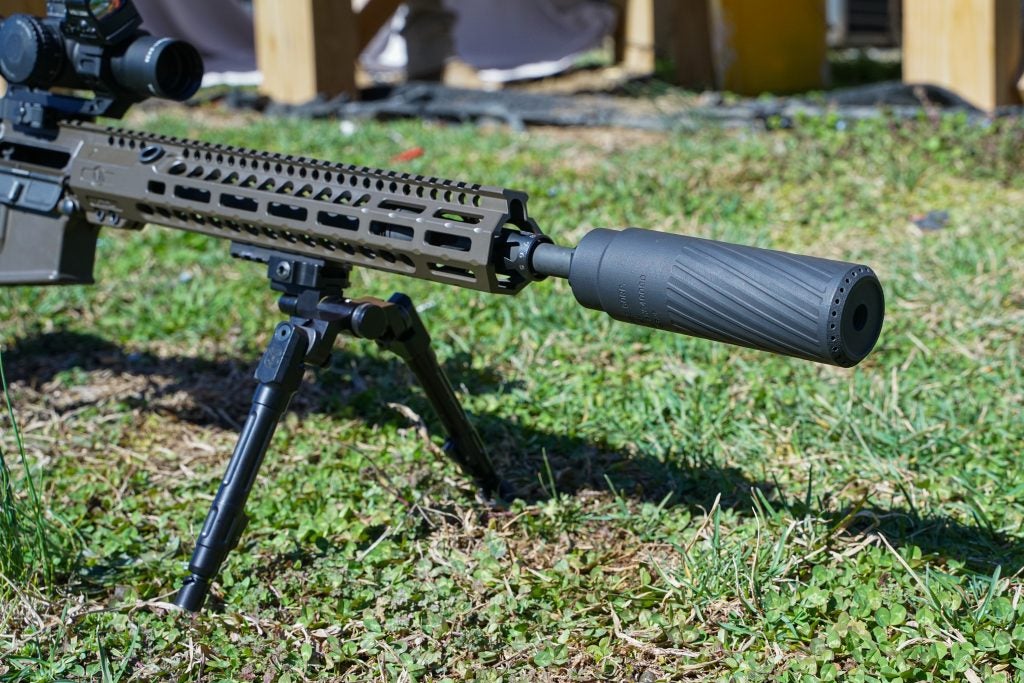
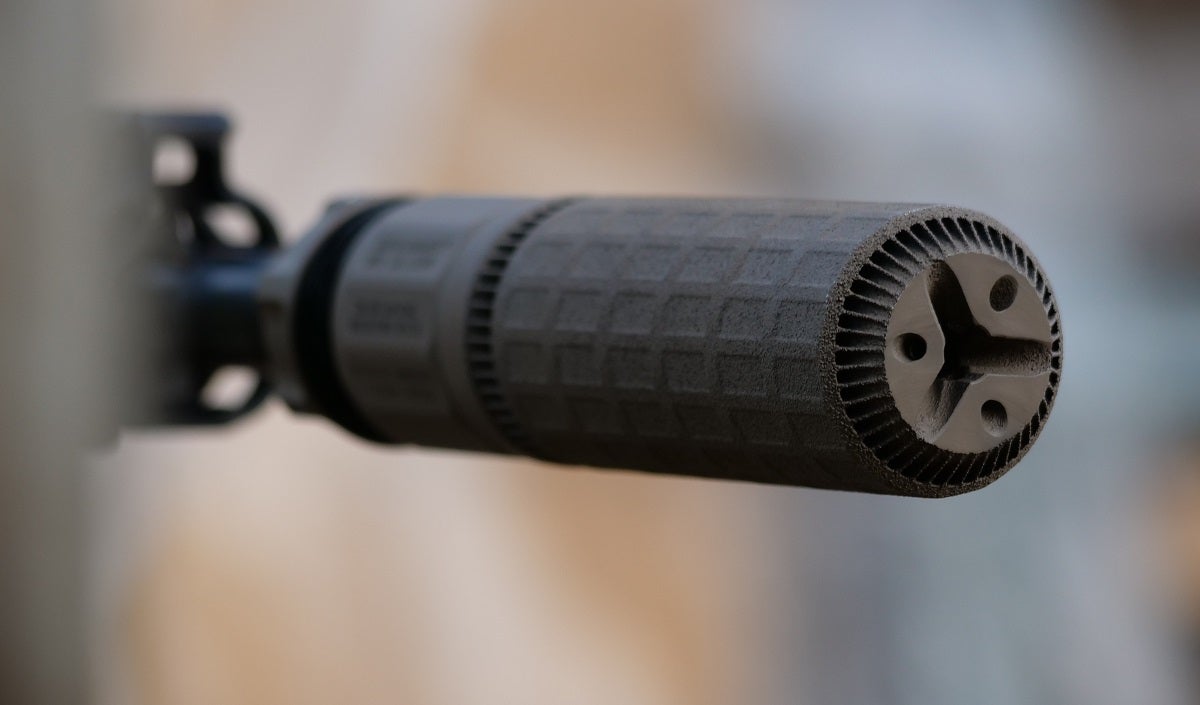
The most impressive aspects of the SPIRO suppressor are its overall length and weight, especially given the level of performance it offers. The direct thread version is only 5.3 inches, while the HUB version is 5.9 inches. This suppressor is ultimately defined as a short can or K-version can. I’ve tried many K-version suppressors, and I have high praise for a few in terms of performance; this is one of them. The weight of the suppressor is 15.5 ounces, which doesn’t disturb the balance of the rifle, especially if you have an LPVO mounted or a dot and magnifier combination.
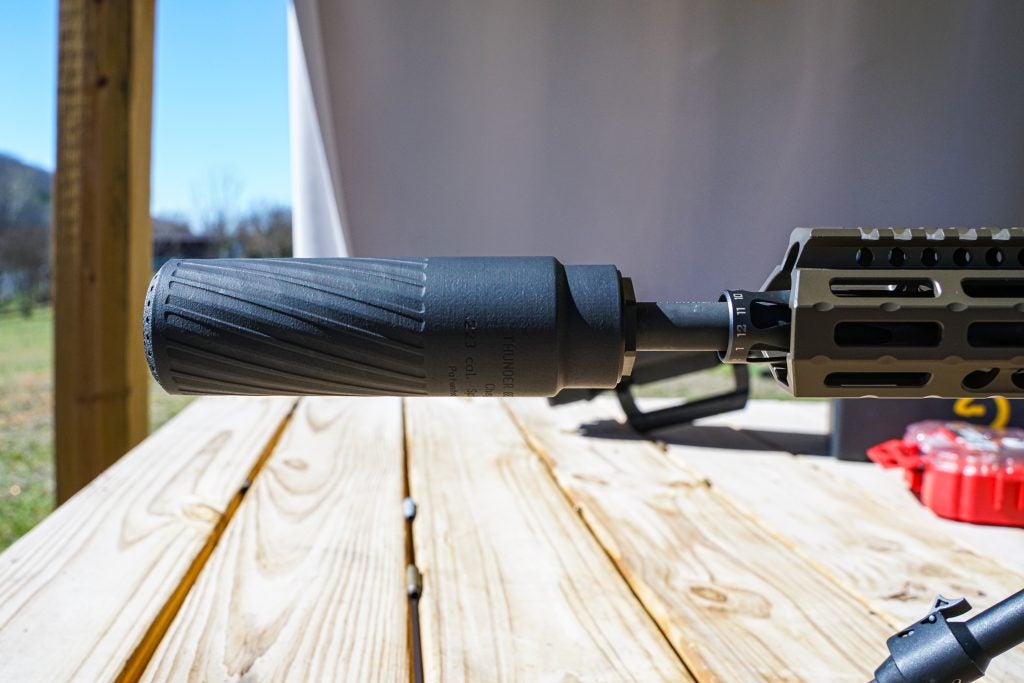
I mounted the SPIRO on my Midwest Industries CRM HD rifle, and if anything, the suppressor balanced out the rifle perfectly. It is also worth noting that the Midwest Industries rifle comes with a Riflespeed adjustable gas block installed, so I was able to tune the rifle and my ammunition to the perfect setting for the suppressor. If you plan to mount the SPIRO to a gas gun rifle, an adjustable gas block will allow you to tune the rifle to run consistently and to its softest shooting capability.
Final Thoughts
I was really excited about the launch of this suppressor this year, and the SPIRO definitely lived up to all the hype. It is in my top 5 favorite suppressors that I own. You can’t go wrong with a Thunder Beast Arms suppressor in general, but this is an excellent, hard-use gas gun suppressor that you can rely on to perform.

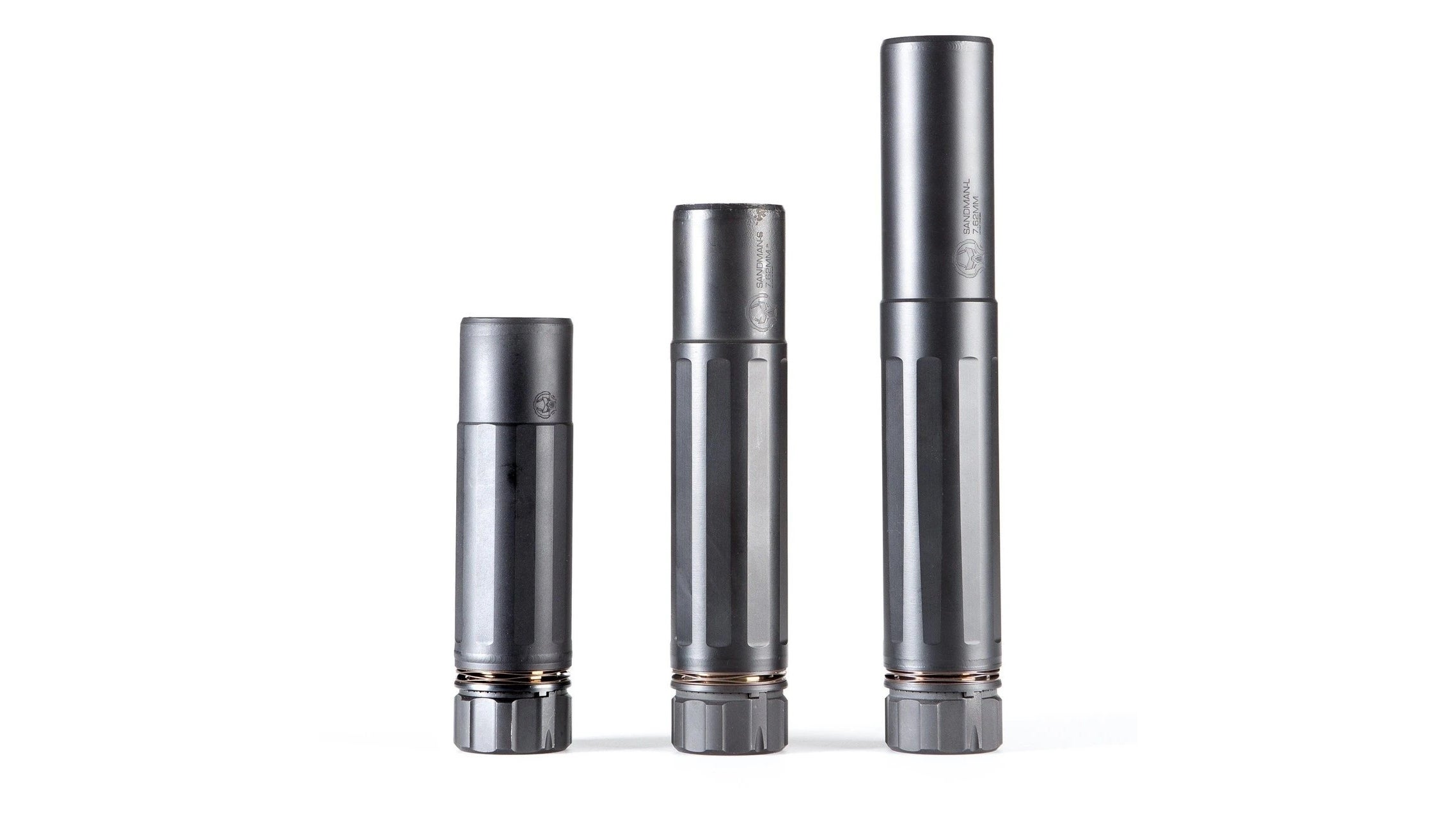


I’ve never had a problem with anything from TBAC. They make good stuff.
Yes there was a better easier time.
From the article:
—
“Faster, 55-grain ammunition, for example, will have more perceived felt recoil than heavy 77-grain ammunition moving a lot slower.”
—
Conventional wisdom says the opposite (which is potentially counterintuitive).
Everything that I have ever read says that, for a given caliber/cartridge with maximum permissible powder charges, lighter (for caliber) bullets generate less recoil than heavy (for caliber) bullets even though the heavy bullets have less muzzle velocity.
Note that the above probably only applies to supersonic loads. It is entirely possible that a “light” bullet at maximum powder charge (thus launching at supersonic velocities) does indeed create more recoil than a super heavy bullet with a minimal powder charge designed to launch at sub-sonic velocities.
There are several things going on at once. The pure physics of the mass/velocity of the bullet/gas (remember to mass your gas if it’s a physics class) but also the load pressure and the system handling that gas/recoil. These all contribute to how the recoil impulse is “felt”.
Lots of people think that 77grn is a softer “felt recoil” because the impulse isn’t as sharp.
That is due to a combination of factors, off the top of my head:
Specific powder load, slightly longer dwell time, gas port size, buffer weight, spring weight, BCG weight, length of gas system, muzzle device, barrel length, mass of system transferring that energy to you and to a lesser extent, psychological influences on the shooter will all play into this.
Ultimately, it’s probably mostly due to the loading. Many 77grn projectiles use a smaller powder charge, resulting in more of a push than a quick shove. Same momentum or even a bit more, but over time. Secondarily will be how the rifle is tuned. You see the same basic thing in handguns with .45 vs other calibers that are “snappier”.
Shooting it suppressed with lengthen the time and slow the exiting gasses while adding mass to the system the recoil is trying to push into you.
Speaking of suppressors, I have to get my @$$ in gear and send my bolt-action rifle chambered in 6.5 Creedmoor to a gunsmith to thread the barrel. I already have a suppressor rated for centerfire rifle calibers up to .35 caliber. Now I need to thread the barrel on my rifle so I can use it.