For years, the FBI ran a program that let federal agencies watch what guns you buy — even when you’re perfectly legal to buy them. It’s called NICS Monitoring, and on September 15, 2026, FBI Director Kash Patel confirmed it exists.
The confirmation came during a Senate Judiciary Committee oversight hearing. Sen. Ted Cruz laid it out plainly. Gun Owners of America, he said, “discovered a secret FBI program called NICS Monitoring, used to track firearm purchases of Americans who were legally eligible to buy a gun but were suspected of a crime. Is that right?” Patel’s answer: “Yes.”
That one word ended a five-year fight. GOA has been suing the ATF over the program since a 2021 FOIA request first surfaced records the government has tried to bury under redactions and gag orders ever since.
How It Works
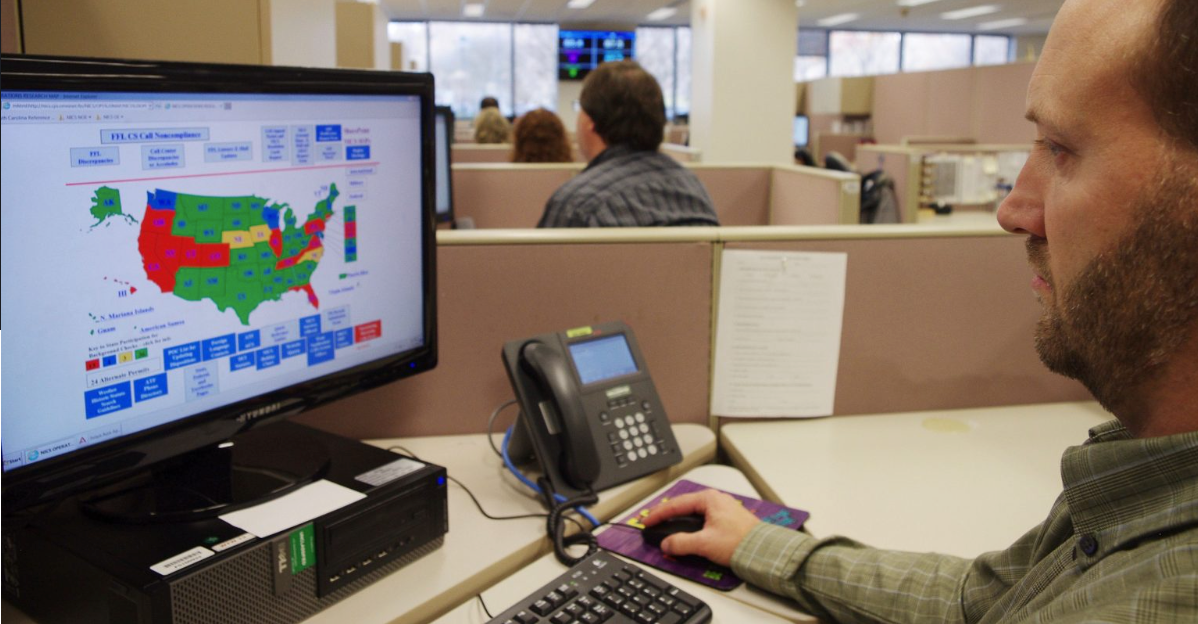
Normally, NICS runs a Brady background check when a licensed dealer processes a transfer. That’s a one-time query at the point of sale. NICS Monitoring flips that into ongoing surveillance. The ATF and other federal agencies flag a person, then get alerts every time that person later tries to buy a firearm. Investigators can follow a subject’s purchases over time, even when the buyer isn’t prohibited and every purchase is legal.
The FOIA records show the monitoring rolls over indefinitely by design. One internal FBI email described an agent’s standing offer to “monitor your suspect for 180 days, at the end of 180 days I will contact you and ask if you would like to continue for another hundred days and keep repeating this process until such time as you wish the investigation to stop.” Read that again. There’s no independent review, no external checkpoint — just a bureaucrat asking another bureaucrat if the surveillance should continue.
The Reasons People Got Flagged
The stated justifications for monitoring should worry every gun owner. Most of the records date to the Biden administration.
One man was watched in 2023 because officers who trespassed him believed he was “experiencing a mental health crisis.” He had no firearm on him and posed no described threat. Another was flagged for buying a gun while involved in an unnamed “anti-social movement.” He’d committed no crime.
One buyer was monitored because he bought the same type of firearms as his two roommates. Another drew scrutiny after spending $8,000 on guns in a single transaction, bringing his collection’s value to $10,000, which agents deemed excessive. And a man pulled over in a “high-crime area” with a firearm in his car, no CCW but a valid FOID card, got monitored based on location alone.
This isn’t hypothetical. TTAG previously covered the case of a Texas man placed under six months of warrantless surveillance after ATF agents interviewed him about selling personal firearms on Facebook. The ATF admitted they found no evidence of any crime. They handed his file to the FBI to monitor him anyway.
Is It Even Legal?
Under 28 C.F.R. § 25.6(c)(2) and § 25.8(g), NICS may not be used to “investigate a person unrelated to a proposed transfer,” and the Brady framework bars using NICS for general intelligence gathering. The evidence suggests the monitoring system does exactly what the law prohibits. GOA has also documented that the FBI used NICS Monitoring to enforce state-level restrictions like California’s “assault weapons” ban — federal agents leveraging federal infrastructure to police state law that has nothing to do with the Brady Act’s purpose.
Where This Leaves You
The ATF has restricted the program under Director Robert Cekada, whose confirmation reform package included a new NICS alert policy limiting alerts to federal firearms-trafficking violations. That’s real progress. But restricting isn’t ending. Other federal agencies can still use the system, and a future administration could ramp it right back up.