
Buying a suppressor for your AR-15 should be the easy part. You have already navigated the NFA paperwork, paid the tax stamp, and survived the wait. Now you just need to pick the right can.
The problem is that the suppressor market is enormous, and not every option is a good match for a 16-inch 5.56 rifle specifically. Sound reduction, durability, mounting systems, and how a can handles gas blowback all factor into whether a 5.56 suppressor is the best choice for your setup or just excellent on paper.
Here are four proven top-tier options worth your consideration, each with a distinct strength, along with what you need to know before you buy.
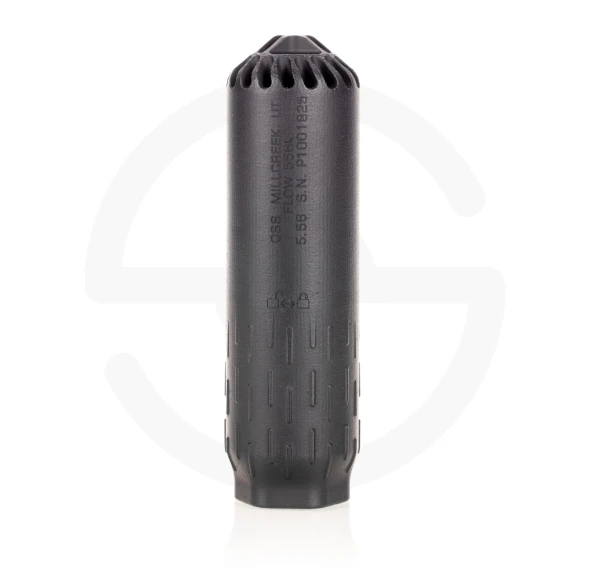
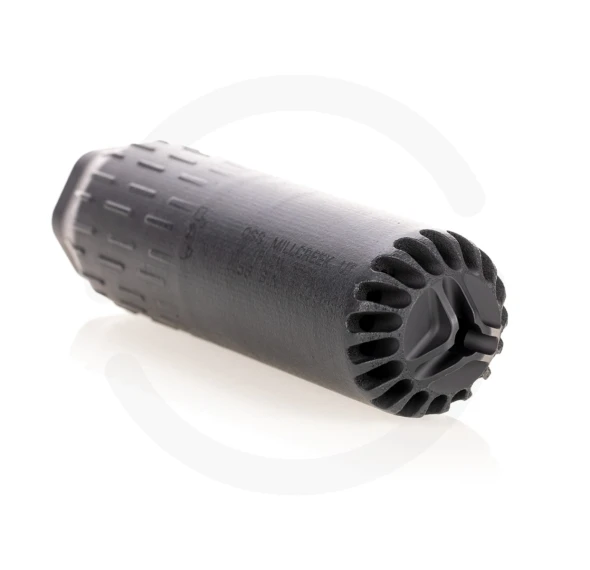
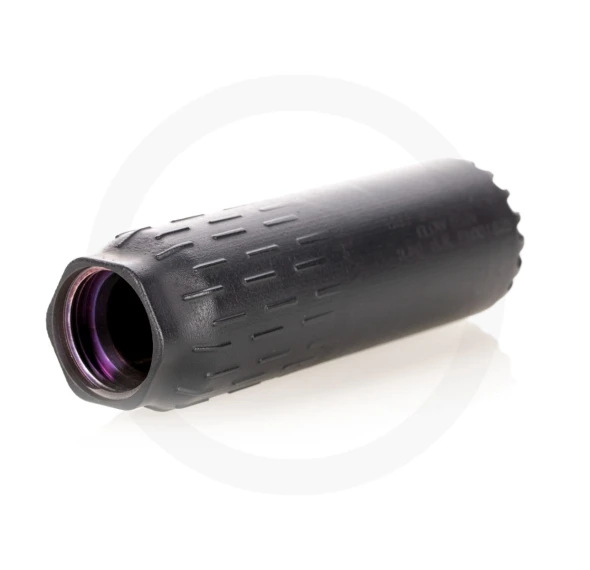
Best Low Back-Pressure Option: HUXWRX Flow 556K
The HUXWRX Flow 556K earns its place on this list by solving a problem that does not get enough attention in suppressor marketing. It uses a 3D-printed, flow-through design that vents expanding gases forward rather than back through the action.
That means less gas pushed into your receiver, cleaner bolt carrier groups, and a noticeably more comfortable shooting experience behind the rifle. It weighs 11.6 ounces, carries no barrel length restrictions, and requires no adjustments to your gas block or buffer system to run well on a 16-inch host. If you want to suppress your AR without turning every range session into an extended cleaning event, the Flow 556K is worth a long look.
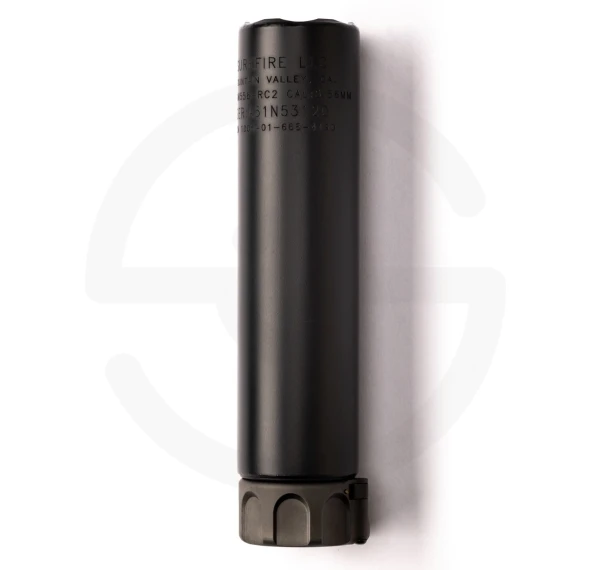
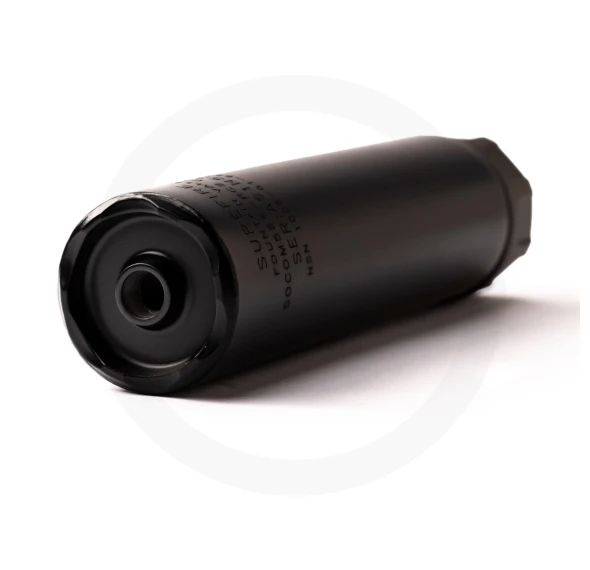
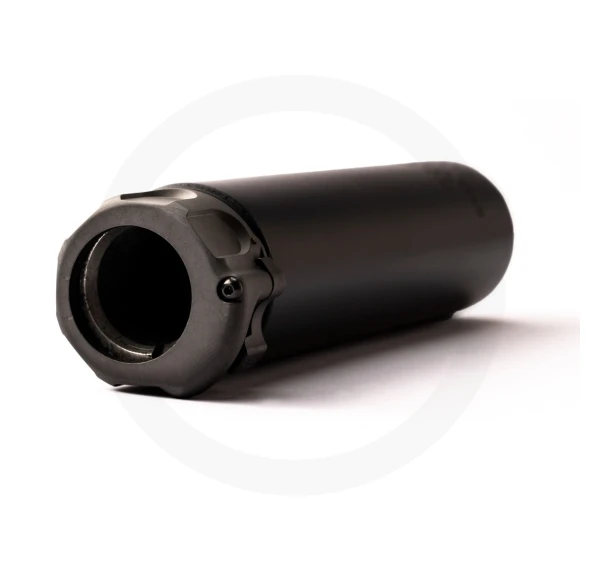
Best Duty and Hard-Use Choice: SureFire SOCOM556-RC2
The SureFire SOCOM556-RC2 has been around long enough to earn its reputation the hard way. Built from Inconel and stainless steel, it was designed to handle sustained fire schedules that would destroy lesser cans. It delivers minimal point-of-impact shift, which matters when you are zeroing a rifle and expecting consistent accuracy across extended strings of fire.
It uses SureFire’s SOCOM Fast-Attach mounting system, which is fast, repeatable, and field proven. If your AR is a working rifle and you need a suppressor that will simply not fail under hard use, this is the all-business option.
Best Value for Sound Reduction: Otter Creek Labs Polonium
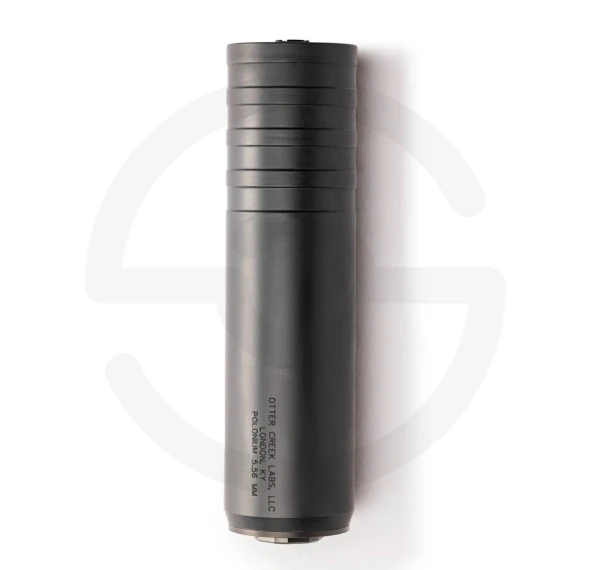
If maximum sound suppression is your primary goal and you are willing to do a little homework on your gas system, the Otter Creek Labs Polonium delivers impressive performance for the price. This is a tubeless, welded 17-4 stainless steel suppressor with a 6mm bore and an industry-standard HUB mount that gives you broad compatibility across a range of muzzle devices.
The sound reduction numbers are exceptional for a can in this price class. It runs a traditional back-pressure profile, so you may want to experiment with buffer weight or your gas block to dial things in for suppressed use. For the budget-conscious shooter who does not mind a little tuning, the Polonium punches well above its weight.
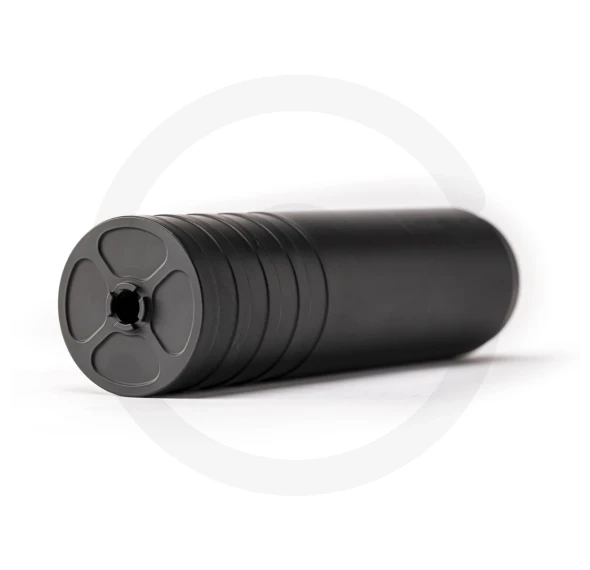
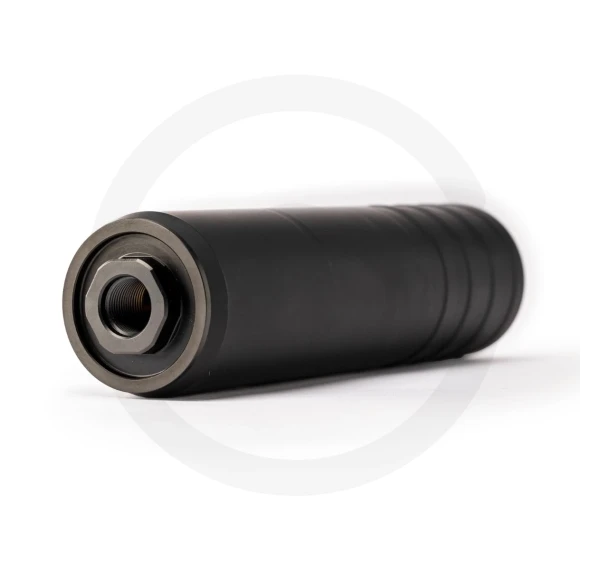
Best Hybrid Option: SilencerCo Velos LBP 5.56
The SilencerCo Velos LBP 5.56 is the most complete package on this list. It combines a low back-pressure design with a 3D-printed Inconel core, delivering reduced gas blowback alongside the durability needed for serious use. Sound reduction is excellent, and the can ships with an ASR mount included, which saves you the cost and hassle of sourcing a compatible muzzle device separately.
It costs more than the Polonium, but it asks considerably less of you in return. If you want a suppressor that handles everything well without requiring system tuning or a separate mount purchase, the Velos LBP is the easy recommendation.
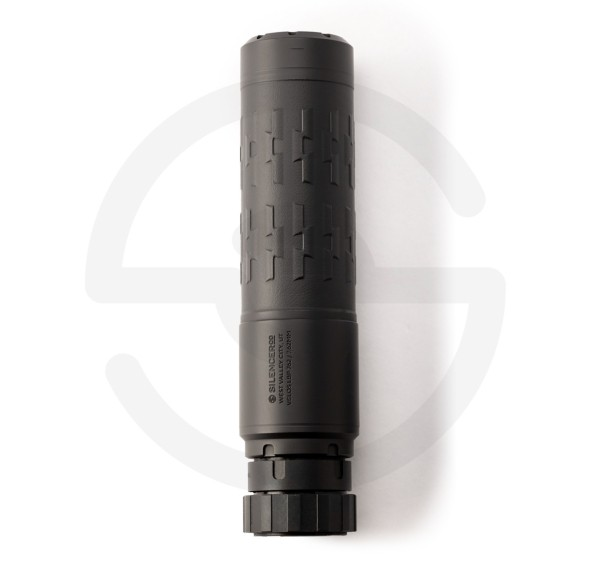
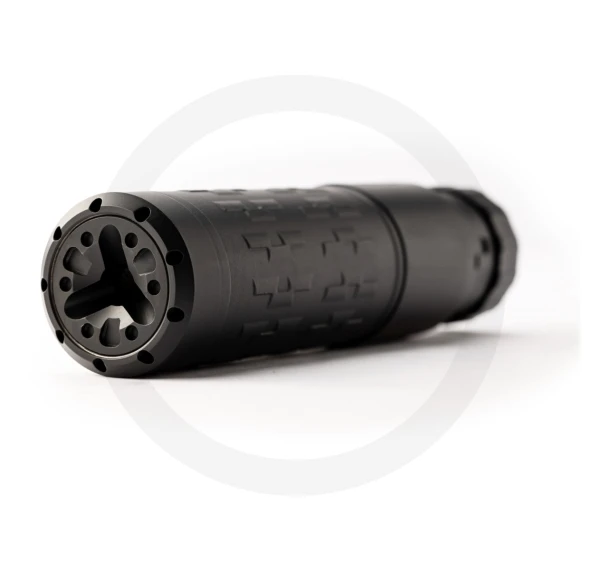
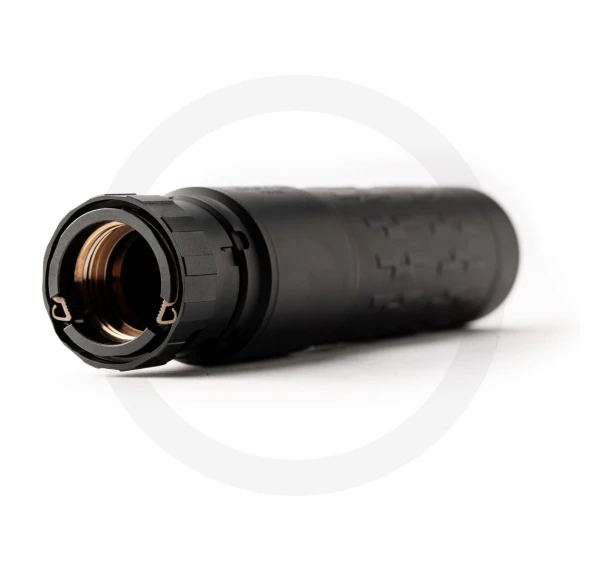
Suppressor Mounting Systems
The suppressor itself is only half the equation. The mounting system determines how the can attaches to your rifle, and if you do not think through that detail before you buy, you could end up with a suppressor that requires a muzzle device you don’t own or a setup that simply does not fit your barrel. Before you commit, check what muzzle device a suppressor requires, whether it’s included with the can, and whether you plan to use the suppressor on more than one setup.
Direct thread is the simplest approach. The suppressor threads directly onto your barrel’s muzzle threads, typically 1/2×28 on a 5.56 rifle. It is lightweight and reliable, with no proprietary device required. The trade-off is that taking the suppressor on and off is slower, and if you run the can hot it can occasionally bind on the threads. For a dedicated host that stays suppressed, it is a perfectly sensible choice.
Quick-detach systems are where most of the market has landed, particularly for AR-15 setups. A muzzle device stays permanently on the barrel, and the suppressor locks onto it in a single motion. SureFire uses the SOCOM Fast-Attach system. SilencerCo uses the ASR mount. HUXWRX has its own interface. The advantage is speed and repeatability. You can move a suppressor between rifles in seconds, and a well-designed QD mount returns to the same indexed position each time, which matters for point-of-impact consistency. The Otter Creek Labs Polonium’s HUB mount is worth calling out specifically because it is not proprietary to one brand. That openness gives you flexibility to use third-party mounts and adapters across multiple rifles with different muzzle configurations.
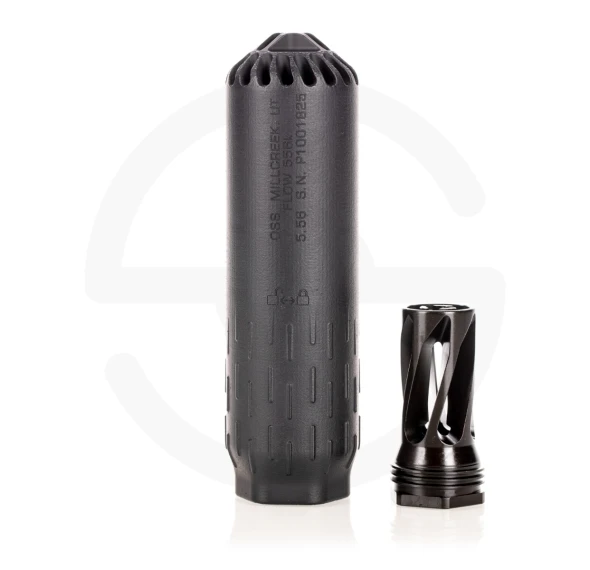
A Note on Back-Pressure
Suppressing a 16-inch AR introduces one other issue worth understanding before you buy. The 16-inch barrel has high dwell time, meaning the bullet lingers past the gas port longer than on a shorter barrel. Add a suppressor, and back-pressure increases further, pushing gases back through the action and into the receiver. Over time, this accelerates fouling in the bolt carrier group and can make shooting noticeably unpleasant.
Low back-pressure designs like the HUXWRX Flow 556K and the SilencerCo Velos LBP address this directly. Traditional designs like the SureFire RC2 and the Otter Creek Labs Polonium run a more conventional profile, and may benefit from a lightweight bolt carrier group, an adjustable gas block, or a heavier buffer to dial things in. It is a manageable issue, not a dealbreaker, but it is worth knowing about before your first suppressed range session.
Choosing the Right Suppressor
Four strong suppressors, four different strengths. The HUXWRX Flow 556K for the shooter who prioritizes a clean, comfortable shooting experience. The SureFire SOCOM556-RC2 for the shooter who puts equipment through hard use and needs it to hold up. The Otter Creek Labs Polonium for the shooter chasing maximum sound reduction on a budget.
And the SilencerCo Velos LBP for the shooter who wants the most complete package without compromise. If none of these options fit your application, there are plenty of other solid 5.56 suppressors available. Know what matters most to you, and the right suppressor choice will naturally follow.



Buying a suppressor for your AR-15 should be the easy part. You have already navigated the NFA paperwork, paid the tax stamp, and survived the wait. Now you just need to pick the right can.
Pardon me but, what?
You need the make, model, caliber, description and SN in order to do the paperwork so that you can apply and then wait for approval. They don’t just issue you a tax stamp for “rando suppressor, quantity 1” that you can now go and buy.
IOW, you pick the can (and pay for it, usually) then apply. That’s part of the point of the NFA, it makes things a PITA so that people don’t want to deal with the bother.