
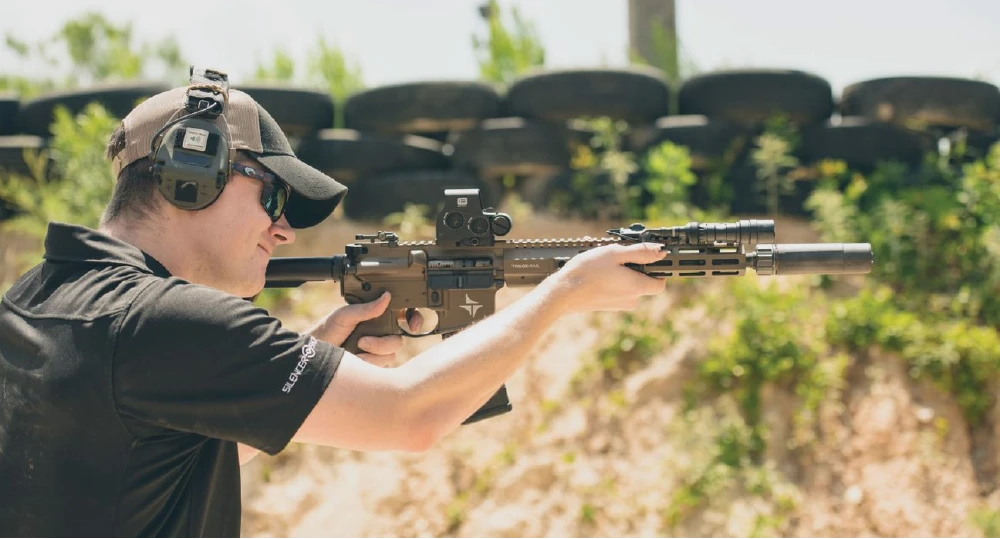
When you add a suppressor to your AR-15 or other gas-operated firearm, you’re fundamentally changing how the weapon’s gas system operates. Suppressors on gas-operated self-loading guns are meant to be used in conjunction with subsonic rounds. Still, most shooters use standard ammunition, which creates increased gas pressure throughout the system. This increased pressure can lead to several undesirable effects, ranging from minor annoyances to significant reliability issues.
The core issue stems from how suppressors work. As the bullet travels down the barrel, hot gases follow behind it. When these gases encounter the suppressor’s internal baffles, they create additional back pressure that forces more gas through the barrel’s gas port than the system was initially designed to handle. This excess gas can manifest as uncomfortable gas blowback to the shooter’s face, excessive cycling speed that causes reliability problems, and accelerated wear on internal components.
The Over-Gassing Problem
One of the most common applications for an adjustable gas block is to allow for the use of suppressors without excessive gas irritating the user or overpressuring the rifle. When your rifle becomes over-gassed due to suppressor use, you’ll notice several telltale signs. Gas blowback becomes more pronounced, often creating the dreaded “gas to the face” as hot gases escape around the charging handle and receiver extension. Your brass ejection pattern may shift dramatically, with cases flying to the 1 o’clock and 2 o’clock positions instead of the normal 3-4 o’clock pattern.
Excessive backpressure can also affect reliability and operation, causing the bolt carrier group to slam back harder than necessary, increasing recoil, or sometimes overrunning the magazine and failing to strip a new round, resulting in an empty chamber. This violent cycling puts unnecessary stress on your rifle’s components and can lead to premature wear of critical parts, such as the bolt, bolt carrier, and buffer spring.
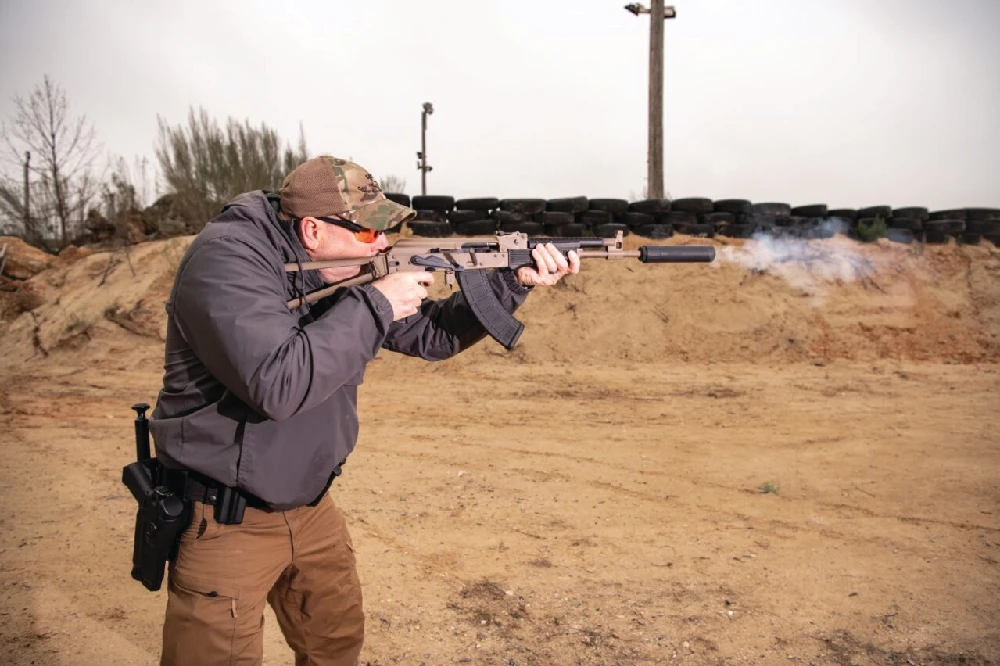
The severity of over-gassing varies significantly based on multiple factors. Barrel length plays a significant role, with shorter barrels typically experiencing more pronounced pressure increases when suppressors are added. The specific suppressor design also matters enormously, as different internal configurations and designs create varying levels of back pressure.
When Adjustable Gas Blocks Become Essential
Not every suppressed rifle requires an adjustable gas block, but certain configurations make them nearly mandatory. An adjustable gas block enables you to fine-tune the amount of gas required to run the system. This allows shooters to tune their rifles for different ammunition types, for different weight internals, and, of course, suppressor use. Short-barreled rifles (SBRs) and pistol-length gas systems are particularly prone to over-gassing issues when suppressors are added, making adjustable gas blocks valuable investments for these configurations.
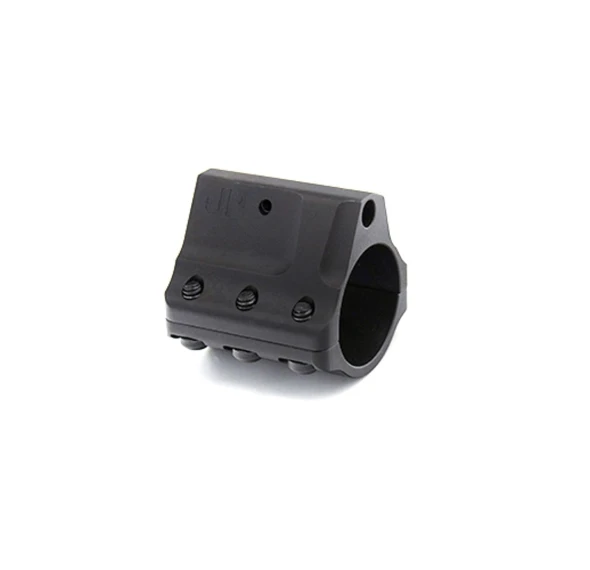
If you want to tune for ideal function with your combination of equipment, then an AGB is generally the best route to go. This becomes especially important if you plan to use your rifle in multiple configurations – sometimes suppressed, sometimes not – or if you shoot various ammunition types that produce different pressure levels, such as subsonic and supersonic ammo.
The adjustable gas block’s primary advantage lies in its precision and versatility. By tuning your rifle with an adjustable gas block instead of a heavier buffer or reduced-pressure gas tube, you create the ability to adjust your rifle’s settings on the fly. This flexibility allows you to optimize performance for specific combinations of ammunition, suppressors, and environmental conditions.
Alternative Solutions to Consider
Before investing in an adjustable gas block, several alternative approaches can address over-gassing issues. Some shooters who opt for a less intrusive solution to their cycling and gas issues will consider adjustable bolt carriers and keys, or heavier springs and buffers. These solutions can be effective in certain situations and may be more appropriate for shooters who primarily use their rifles in a single configuration.
Buffer weight adjustments represent the most common alternative approach. Heavier buffers slow down the bolt carrier group’s rearward velocity, which can help mitigate the effects of increased gas pressure. H2 and H3 buffers, combined with appropriate spring weights, can often provide adequate tuning for moderately over-gassed systems.
Another option is to choose a suppressor known for its low back pressure. Unlike traditional suppressors that create substantial backpressure in the firearm system, these specialized designs aim to minimize the amount of gas redirected back through the action. The fundamental principle involves specialized baffle designs, flow-through technology, and carefully engineered gas routing that allows more gas to exit forward rather than cycling back through the ejection port. Sometimes, low back pressure can also be achieved by simply using a larger caliber silencer than the cartridge you are shooting – a 7.62mm can on a 5.56mm rifle, for example.

Several manufacturers also offer “suppressor-optimized” gas ports on their barrels. Many people seem to get confused about this issue, but the simple truth is that a “suppressor optimized” gas port provides exactly the same function as a single setting on an adjustable gas block. These barrels feature smaller gas ports, designed to work optimally with suppressors attached; however, they may require careful ammunition selection when used without suppressors.
Installation and Technical Considerations
One of the biggest downsides of swapping out gas blocks is the level of technical skill required. While many people say that anyone can do it with simple tools, you should consider using a qualified gunsmith if you don’t have proper tools or experience. Gas block installation requires careful attention to proper alignment, gas tube positioning, and secure mounting to prevent shifting during use.
The installation process typically involves removing the existing gas block, which may require driving out pins or loosening set screws depending on the design. Adjustable gas blocks generally mount using set screws that bear against the barrel, and many shooters choose to dimple their barrels at the set screw locations to prevent movement during shooting.
Proper timing and adjustment procedures are crucial for optimal performance. Most adjustable gas blocks require an initial setup with the gas port fully open, followed by a gradual restriction until the rifle barely cycles properly with the specific ammunition and suppressor combination being used. This process ensures adequate gas flow for reliable function while minimizing excess pressure that causes the problems adjustable gas blocks are designed to solve.
Making the Decision: Essential or Optional?
An adjustable gas block isn’t always necessary to accommodate a suppressor—some rifles may be well-balanced enough that adding a suppressor increases pressure, but not enough to cause a malfunction. The decision ultimately depends on your specific rifle and suppressor configuration, intended use, and tolerance for the side effects of over-gassing.
For shooters who plan to use their rifles exclusively with suppressors attached, a suppressor-optimized barrel with an appropriately sized gas port may provide the simplest solution. However, for those who want maximum flexibility to shoot both suppressed and unsuppressed, or who use multiple suppressors with different back pressure characteristics, an adjustable gas block offers unmatched versatility.
Where adjustable gas blocks shine, though, is their versatility. By tuning your rifle with an adjustable gas block instead of a heavier buffer or reduced-pressure gas tube, you create the ability to adjust your rifle’s settings on the fly. This capability becomes particularly valuable for precision shooters who want to optimize their rifles for specific competitions or hunting scenarios.
Wrapping Up
The investment in an adjustable gas block makes most sense when you experience obvious over-gassing symptoms, plan to use multiple suppressors, or want the flexibility to transition between suppressed and unsuppressed shooting quickly. For casual shooters using a single suppressor setup who don’t experience significant comfort or reliability issues, simpler solutions like buffer weight adjustments may provide adequate results at a lower cost and complexity.
Modern adjustable gas blocks have become increasingly reliable and user-friendly, making them accessible to a broader range of shooters than ever before. Quality units from manufacturers today offer both durability and precise adjustment capabilities, transforming a problematic suppressed rifle into a smooth-shooting system optimized for your specific needs.

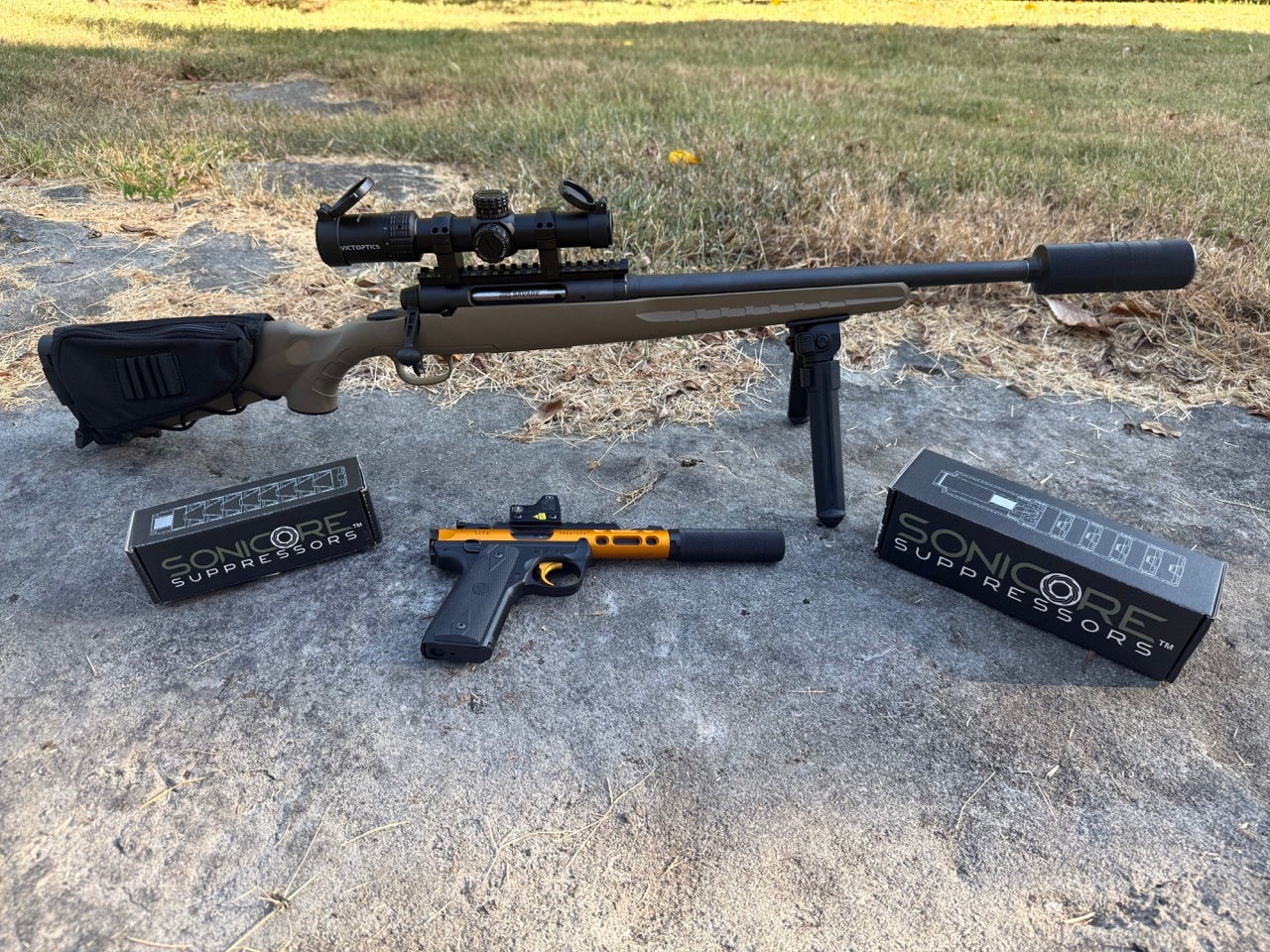




Wow, am I glad that TTaG created this article. Many frequent readers are probably aware that I purchased suppressors late summer last year. I have one suppressor that I expect to use on an AR-15 pattern rifle and I totally forgot about the likelihood of increased back pressure and what that might do to a rifle. Fortunately, I have not yet shot any firearm with that suppressor on it.
Since I am thinking that I may shoot both subsonic and supersonic ammunition through that rifle–as well as shooting suppressed and unsuppressed–I am thinking that I have to purchase and install an adjustable gas block.
If I thread the barrel on one of my bolt-action rifles, I won’t worry about any increase in gas pressure from shooting suppressed.
Sounds like suppressors are more trouble then they are worth.
Xdduly Elected Official,
After you shoot with a suppressor, you will likely concur that they are worth the trouble, especially when shooting subsonic rimfire ammunition with a suppressor. Subsonic rimfire with a suppressor makes less sound than clapping your hands. I strongly encourage EVERYONE to obtain a rimfire rated suppressor and shoot subsonic or “standard velocity” (which is also subsonic) .22 LR through it. You will love it.
My pistol-caliber carbine shooting 9mm Luger subsonic ammunition suppressed is WAY quieter than unsuppressed, although not as quiet as suppressed subsonic rimfire.
The two huge benefits of suppressors are much less hearing damage for you and much happier neighbors. Those two benefits make them worth the hassle in my opinion.
As an owner of many suppressors, many guns and only one with an adjustable gas block my experience has been that they are no trouble at all.
The one rifle with the adjustable block even runs 100% with or without a can regardless of using subs or supers at any weight.
So much of this discussion is nerds trying to min/max their numbers or justify a purchase. Or, in the case of this disguised sponsored content piece, make a sale.
Don’t over think or over engineer it.
I’ve used a 5.56mm AAC Suppressor on my 16″ CAR-15 (M4 for anyone born in the late 80’s or sooner) for over 20 years. Never ever had a functioning problem and it does not have an adjustable gas block. It’s a fixed front sight tower A2 carbine. (I don’t think anyone has ever made a AR15 fixed front sight tower w/ integral adjustable gas regulator) If someone did, they should could copy the FN/FAL design. The only issue is suppressors make the AR platform extremly dirty and cleaning needs to be more frequent. Like Shire-man said “Don’t over think or over engineer it”
Using an adjustable gas block depends on how much a particular can increases pressure and how much GSR you want on your face. I prefer a clear unobstructed path for the gas to do its job, trying to choke a tiny bore and expecting soot to pass without eventually gumming up the works is ridiculous.
Pay attention to the ejected brass path. Let’s say there’s a 1 to 4 gas block setting and you have to go beyond 2 then you’ll need to adjust other components to accomodate the can or better yet go bolt action.