In a major victory for New York gun owners, the Manhattan–based 2nd Circuit Court of Appeals has ruled New York’s ban on carrying firearms for self-defense in so-called “sensitive places” to be unconstitutional.
In October 2024, a federal district court ruled the state’s restriction against concealed carry on private property open to the public to be unconstitutional. However, in that same ruling, the district upheld New York’s carry ban in parks.
In the May 18 ruling, the 2nd Circuit Court affirmed the permanent injunction won at the district court as it relates to carrying on private property open to the public, sometimes called the “vampire rule.” However, in the same opinion, the court upheld the facial constitutionality of New York’s carry ban in parks.
In the ruling, the court wrote: “We conclude that the Private Property Provision, as applied to private property open to the public, is unconstitutional because the State did not carry its burden of demonstrating that the restriction falls within our Nation’s historical tradition of gun regulations, as required under the framework set forth in New York State Rifle & Pistol Association, Inc. v. Bruen. On the other hand, we conclude that the Public Parks Provision survives Plaintiffs’ facial challenge because the State has carried its burden of showing that regulation is consistent with our Nation’s historical tradition of banning gun possession in urban public parks.”
The ruling continued: “Although the State cites dictionary definitions and other statutes in an attempt to persuade us that these statutory terms could also encompass private property open to the public, we decline to read these words in isolation and out of context. Moreover, the State has failed to point to any contemporaneous evidence that these laws were understood or enforced in that expansive manner. This ‘barren record of enforcement’ is ‘one additional reason to discount [the] relevance’ of these pre-ratification statutes.”
The lawsuit, named Christian v. James, was filed by the Second Amendment Foundation (SAF), the Firearms Policy Coalition (FPC), and Brett Christian, after whom the case was named.
“After the Bruen decision forced recalcitrant states like New York to issue carry permits to their residents, they responded by creating overlapping patchworks of ‘sensitive places’ in which even permitted carriers could not exercise their rights,” Bill Sack, SAF senior director of legal operations, said in a news release announcing the victory. “New York’s carry ban on private property open to the public—essentially all private businesses—was intended as the state’s next novel circumvention of the Second Amendment. We are thrilled the Second Circuit saw through this ruse and tossed the ban out on its rear end.”
Speaking for his organization, FPC President Brandon Combs said that the court’s overturning of the law was a good first step.
“The FPC Grassroots Army put a stake in the heart of New York’s ‘vampire rule’ carry ban today,” Combs said in an FPC news release. “We’ll keep fighting in this and other cases to eliminate unconstitutional bans on carry in public parks so people can defend their lives in these public places.”
What’s next
New York can either accept the 2nd Circuit’s ruling, petition for en banc review by the full circuit, or seek Supreme Court review. Given the state’s pattern of aggressive defense of the CCIA — including the governor’s previous statement that “I personally think all places are sensitive” — appeal is likely, though the state’s prospects on Supreme Court review of an unfavorable 2nd Circuit ruling are limited.
For the parks portion of the ruling, plaintiffs may pursue en banc review or develop a record for a future as-applied challenge. The 2nd Circuit upheld only the facial constitutionality of the parks ban — meaning the law cannot be struck down in its entirety, but specific applications might still be vulnerable. Most likely: gun-rights organizations will look for plaintiffs in cases where the parks ban prevented carry in circumstances analogous to historical exceptions, building toward a sharper as-applied challenge.
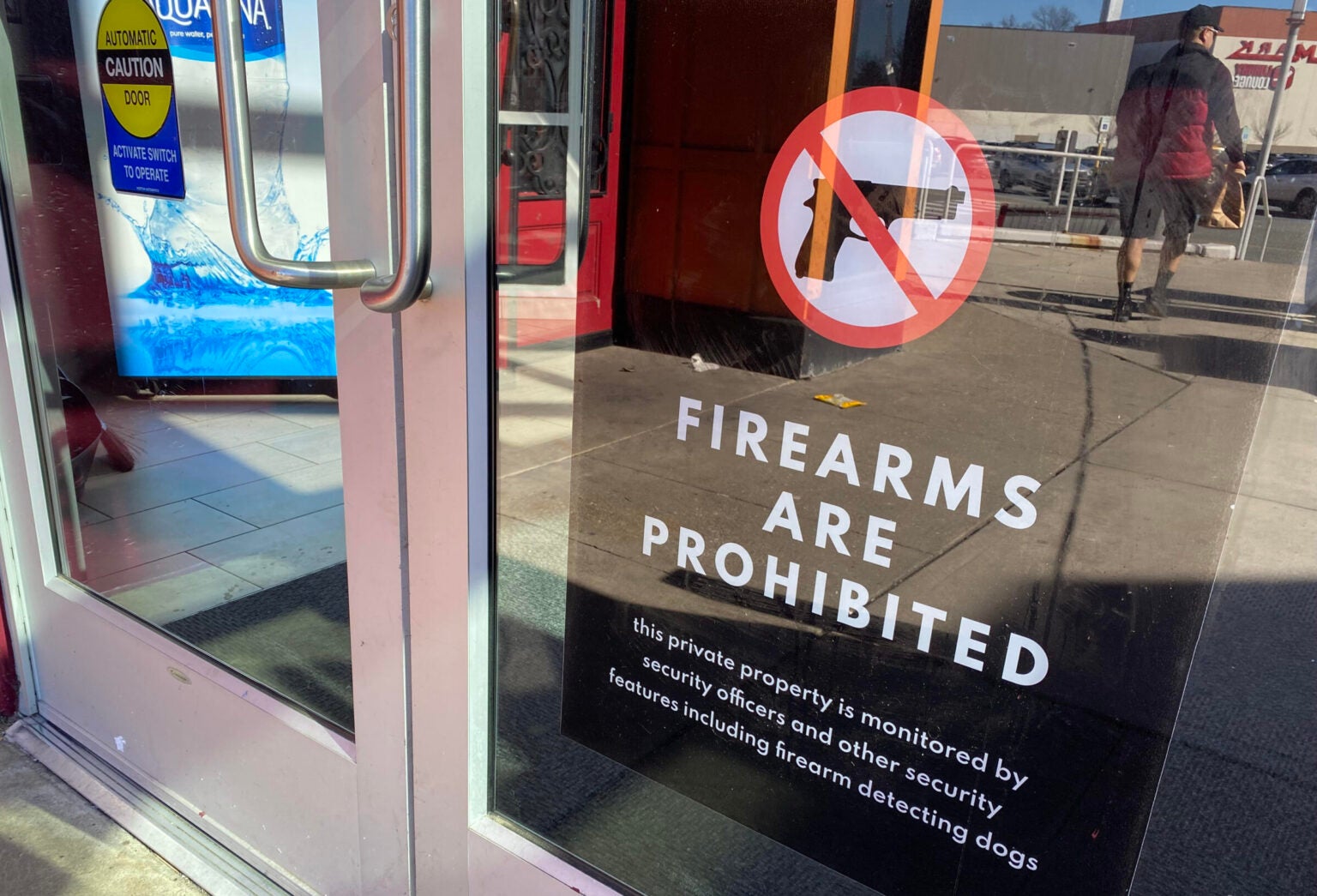
The immediate practical effect for New York gun owners: licensed carriers can now lawfully carry on private property open to the public — restaurants, stores, gyms, gas stations — without needing affirmative posted permission from the owner. Property owners retain the right to prohibit carry on their premises by posting notice or providing direct instruction, but the default presumption now favors the carrier rather than restricting them.