
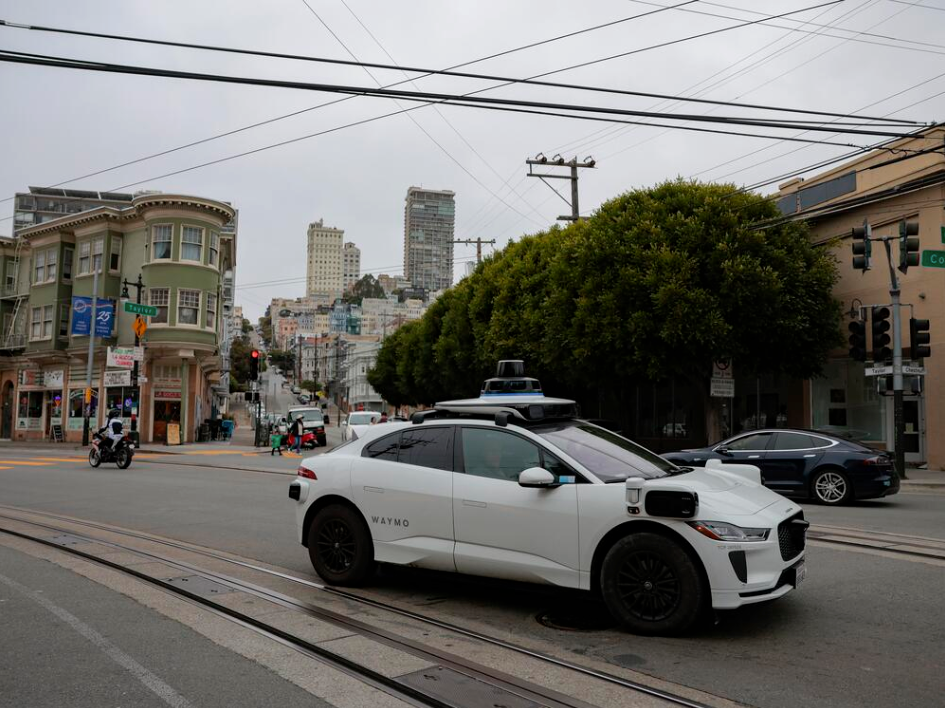
Driverless taxis are spreading fast, and if you carry a concealed firearm or plan to load your rifle bag for a trip to the range, the company running that car may have already decided you aren’t welcome.
Waymo, the robotaxi service now operating in more than a dozen major U.S. cities, bans firearms outright and watches its passengers with in-cabin cameras that are, in the company’s own words, “on and recording.” That combination should give any lawful gun owner reason to think twice before requesting a ride with a gun on their person or in the trunk.
Here’s the short answer: taking your guns in a Waymo is a bad idea under the current rules. The longer answer is worth understanding, because self-driving cars are only going to get more common, and the questions they raise about your rights and your privacy aren’t going away.
What Waymo’s Rules Actually Say About Firearms
Waymo’s zero-tolerance policy on weapons is written into its Terms of Service, but you have to hunt for it. The National Shooting Sports Foundation notes it takes “quite a bit of clicking around” to find the specific rider rules that spell out the ban — almost as if the company would rather the policy not draw public scrutiny.
The rider rules themselves are blunt on the point: “Don’t carry weapons of any kind. Do not bring weapons into the car.” The full Terms of Service go further, telling riders they agree not to “carry any weapons (or anything that resembles a weapon, e.g. toy gun) in our cars.” That parenthetical matters. The prohibition isn’t limited to a loaded handgun on your hip. A toy, a replica, or anything that looks like a weapon falls under the same rule.
So there’s no gray area to lawyer your way through. If you carry, or if you’re moving firearms to the range, you’re violating the terms of service the moment you get in.
The Cameras Are Always Watching
A written rule is only as strong as the enforcement behind it, and this is where robotaxis differ sharply from a human-driven ride. Waymo vehicles carry cameras and microphones inside and outside the car. Support staff may review that footage after a rider reports an issue, and in “more urgent circumstances” staff can pull up live video of a trip in progress.
Two recent incidents show what that means in practice. In July 2026, Waymo alerted San Mateo police after monitors watched two 15-year-olds drinking alcohol and firing what looked like a real gun from the back seat. It turned out to be a water-bead blaster styled to resemble a firearm — a toy that fell under Waymo’s “resembles a weapon” clause. Rather than tell the passengers the truth about why the ride was ending, a Waymo rep told them the vehicle was “experiencing mechanical trouble,” disabled the car, and shared its location with police.
Then, on September 3, Waymo did the same thing with a real firearm. At around 4 a.m. in San Francisco’s Richmond District, the company’s monitors detected what it called a “violation of our terms of service involving a firearm” and pulled the car over. SFPD conducted a high-risk vehicle stop, detained the two juvenile passengers, and searched the car — finding a loaded AR-style rifle, suspected marijuana, and mace spray. Both minors were taken into custody.
Now consider the other side of Waymo’s camera surveillance. The company’s cabin-camera age verification system has been misfiring on adults — riders in their twenties and thirties have been asked mid-trip to confirm they’re over 18. If a system can’t reliably distinguish a 30-year-old from a teenager, it can misread other things too. Now imagine it trying to judge whether the object under a passenger’s shirt is a lawfully carried firearm or something else. The margin for a costly mistake is wide.
Why a Human Driver Was Never the Real Difference
When those two people were arrested in San Francisco with the AR-style rifle in a Waymo, the reflexive complaint was that this proved the “surveillance industrial complex” had run amok. That framing misses the point, as Open Source Defense argued. Waving a gun around in the back seat of someone else’s car has always been a fast way to get the trip ended, whether a human or an AI is behind the wheel. A cab driver who spots a rifle in his mirror is going to react the same way the cameras did.
The genuinely new problem is subtler. Self-driving cars blur the line between a car that is yours and a car that is someone else’s. A Tesla you own and run in self-driving mode still does what you tell it. But what about a car you only own a share of? Or a world where a large majority of the cars on the road belong to Waymo and services like it? Loading a few guns into the trunk for a range trip, or saving time by loading magazines on the way, has never drawn much attention in your own vehicle.
In a monitored robotaxi, those same routine acts happen under a camera that reports to a company. As one observer put it, any gun-channel YouTuber can tell you how little they trust Google, Waymo’s parent company, to exercise good judgment on how to serve lawful gun owners.
The Real-World Legal Trap
The danger isn’t only losing your ride or getting your account suspended, though Waymo reserves the right to do both without notice. The bigger risk is the police call, and where that call lands.
Consider a rider who doesn’t know Waymo’s policy and lawfully carries concealed. He shifts in his seat, his shirt rides up, and the camera catches a glimpse of the firearm. Under the pattern already on record, the car could mislead him about why it’s stopping, pull over, and summon law enforcement. Now add geography.
A single robotaxi trip can cross several municipalities, and firearm laws aren’t uniform across them. A lawful gun owner unwittingly routed through a city with stricter gun control than the one he started in could go from law-abiding citizen to criminal defendant in minutes, all without doing anything he understood to be wrong.
That’s the scenario NSSF warns about, and it isn’t far-fetched given what Waymo has already done and admitted.
What Lawful Gun Owners Should Do
Waymo is a private company and is free to operate where regulators allow, under whatever terms it chooses. You’re equally free to take your business elsewhere. Until or unless the company revises its terms of service to accommodate lawful carry and firearm transport, the practical guidance is straightforward: don’t use Waymo when you’re carrying or moving firearms.
Traditional taxis and personal vehicles avoid the headaches, and the worst outcomes, that a monitored anti-gun robotaxi can create. In some markets, rideshare alternatives that actually welcome armed drivers and passengers are starting to appear — BlackWolf is expanding into Texas cities with a fleet built around former law enforcement and military drivers.
Before you rely on any driverless or rideshare service for a trip to the range, read its terms of service and rider rules first, and read them carefully. Look specifically for weapons and firearms language, and remember that on Waymo’s platform that language reaches even objects that merely resemble a weapon. Assume the cabin is recorded. If a service bans firearms and monitors its passengers, treat that as a reason to drive yourself or find a provider that doesn’t put your rights and your freedom in the hands of a camera and an algorithm — the same rideshare gun-ban dynamic has been playing out at Uber and Lyft for a decade, and it doesn’t get better as the driver disappears.