
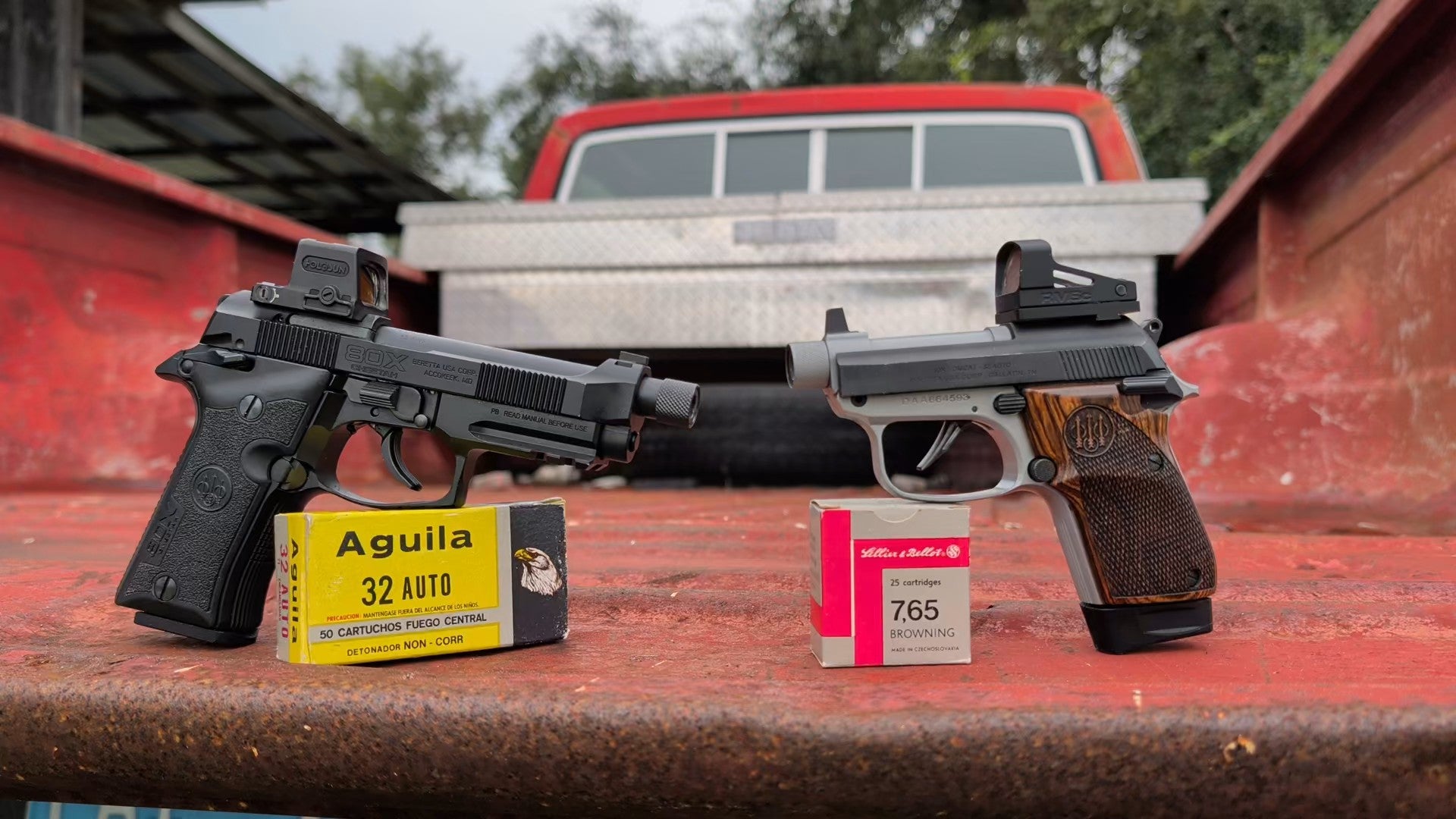
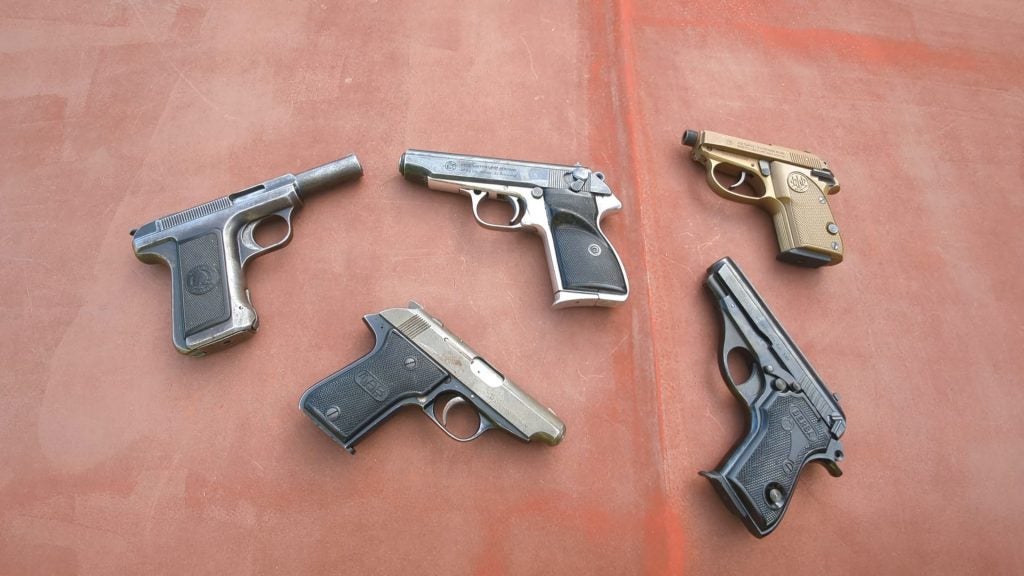
I’ve written two articles about the .32 ACP, and now you’re getting a third. When I did the “Why I love .32 ACP,” I mentioned where I think it fits in the defensive world and why it’s a great pocket-gun caliber. Today we are going to talk about how to choose the right defensive load for the defensive .32 ACP pistol, with a focus on shorter-barrel pocket guns.
We are using a small round in what’s likely a small pistol, so we have to be selective about ammunition choices to be effective. If you get into the larger pistols, the longer barrels can have velocity advantages, and that’s a different discussion to have.

One of the things I like about .32 ACP is that it’s not boring. If you pick almost any other cartridge for defensive purposes, like 9mm, you can pretty much grab any standard JHP from a reputable company, and you’re good to go. That’s not the case with .32 ACP. While that might be frustrating for some, it makes things interesting for me.
If you want a simple answer, I stick to Fiocchi 73-grain FMJs. If not Fioochi, S&B, or any Euro-spec FMJ. If you want the long explanation, stick around.
The Defensive .32 ACP – Say No To Hollow Points
With .32 ACP, a lot of the standard advice goes out the window. For one, we aren’t going to use hollow points. Hollow points expand, and when they expand, they slow down, and with .32 ACP they don’t consistently reach the FBI’s 12-inch minimum penetration benchmark in calibrated ballistic gelatin
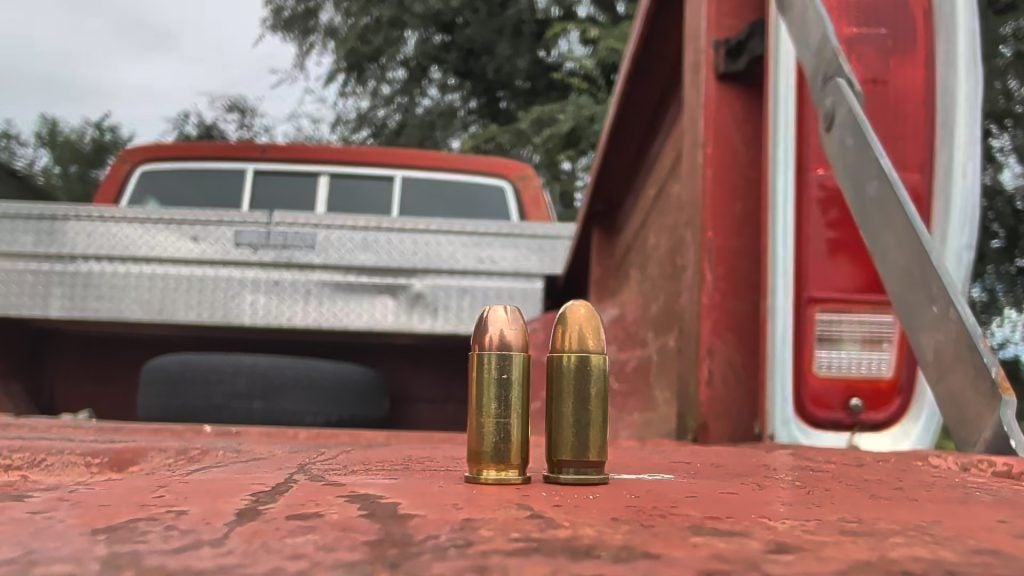
With that said, there is testing out there showing that some hollow points meet the acceptable penetration standard, but they don’t always expand. With that in mind, I still avoid hollow points for reliability reasons.
The .32 ACP round is a semi-rimmed round. It’s a product of its time, and that time was the late 1890s. The problem with a semi-rim is something called rimlock.
Enter Rimlock
In a properly loaded magazine, every round’s rim sits slightly in front of the rim below it. When the slide cycles forward, it pushes the top round smoothly off the stack without interference.
If the top round moves back and forth, its rim can slide over and behind the rim of the round below. Once that happens, the round gets stuck and will not feed. That’s rimlock.
To prevent rimlock, we have to prevent the rounds from moving back and forth. Why would the rounds move back and forth?
Most hollow points circumcize the front of the bullet, making them shorter than a typical FMJ. This allows the rounds to move back and forth a bit more, increasing the chance of rimlock.
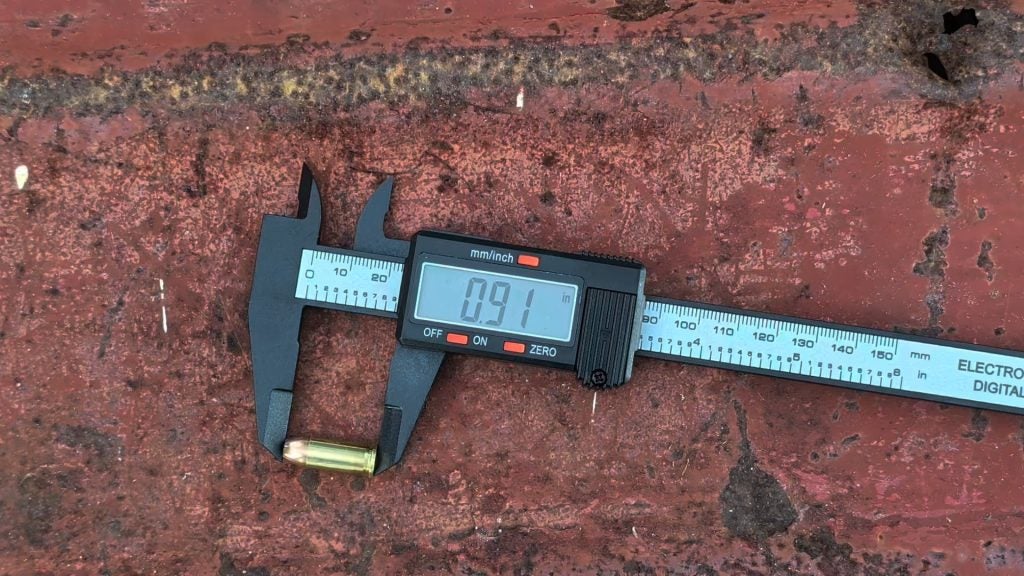
For .32 ACP, a longer overall cartridge length can help reduce front-to-back movement in the magazine. The maximum overall cartridge length is 0.984 inches.
Do all hollow-point rounds do this?
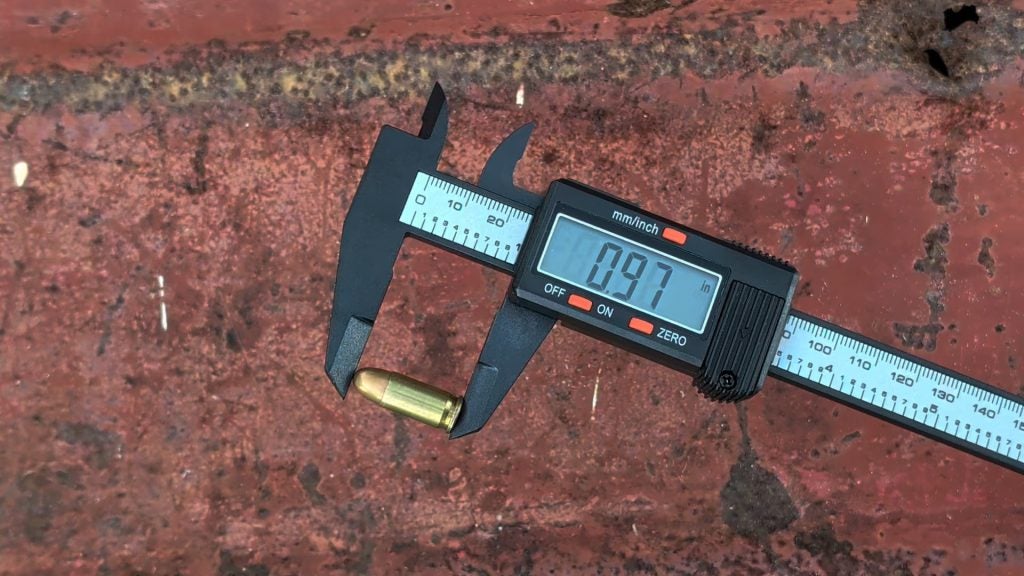
Probably not, I haven’t measured every hollow point out there.
Of course, rimlock doesn’t just come down to the cartridge. Magazine feed lips, geometry, springs, followers, and more can affect reliability. If you’re getting rimlock over a variety of rounds, try replacing the magazine.
Say Yes To Hollow Points Sometimes
With all this said, are hollow points always a bad idea? No, remember .32 ACP is interesting and not boring. There are five defensive .32 ACPs in production and available in the United States. One of the five is the Seecamp.
To quote the Seecamp’s website, “Because of its small size, the Seecamp requires a very tight cartridge length requirement to assure proper feeding.”
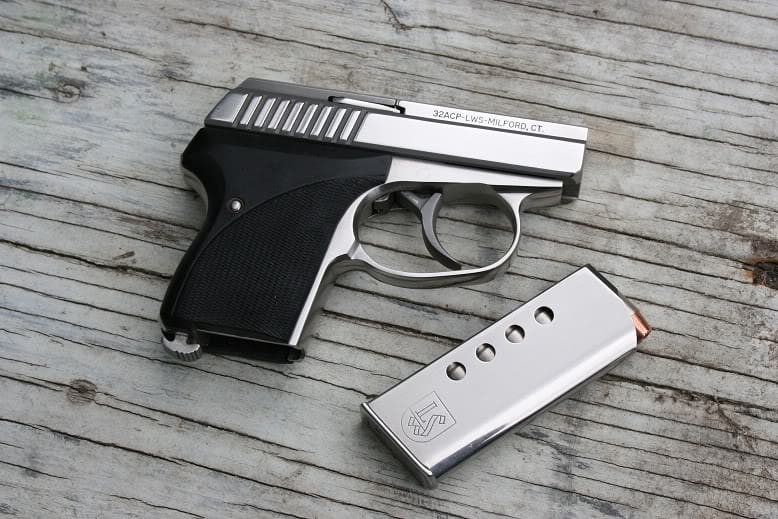
The original LWS 32 was built for the Winchester Silvertip .32 ACP. Since then, they’ve expanded their recommendations to include four rounds, all of which are hollow points. If I were carrying a Seecamp, I’d trust their list and use the Hornady XTP rounds. It seems like they don’t expand well from short barrels, so they do penetrate.
American Vs. European Defensive .32 ACP
So, if we are carrying one of the other four .32s available, or are carrying an older pistol like the VZ70, we want to stick to an FMJ load. There are plenty of those around, but I suggest Fiocchi, and I always recommend carrying a round loaded to European specifications.
The American SAAMI standard for .32 ACP specifies a maximum average pressure of 20,500 PSI. The European CIP standard is higher, at roughly 23,200 PSI. That doesn’t mean every European load is automatically hotter, but it does give European manufacturers more room to load the cartridge toward that higher pressure limit.
If you’re using a European pistol designed for European .32 ACP, it might malfunction with the weaker American stuff. With that said, my various European-designed surplus .32s haven’t had any problems with American-spec .32 ACP from Remington or Aguila.
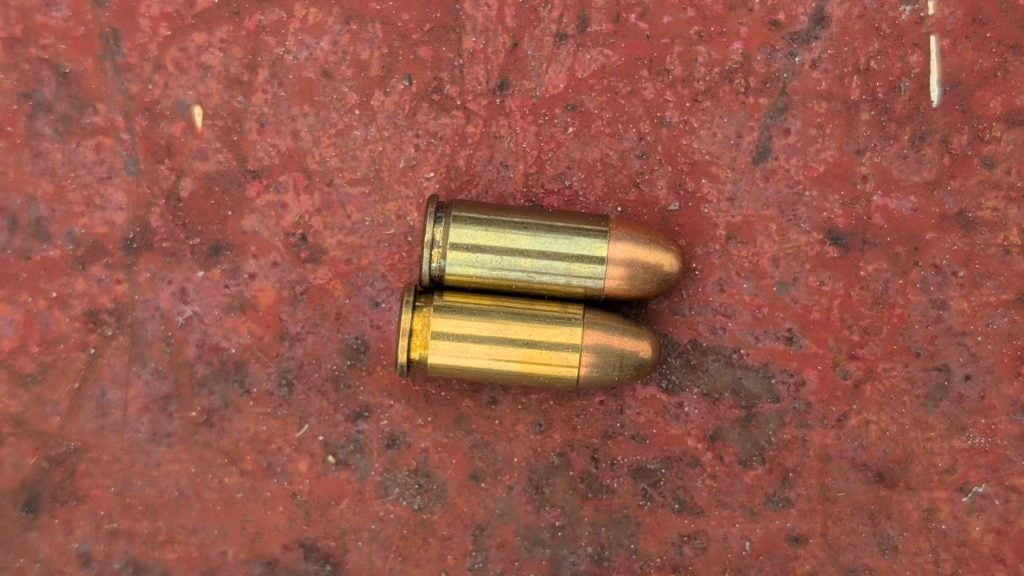
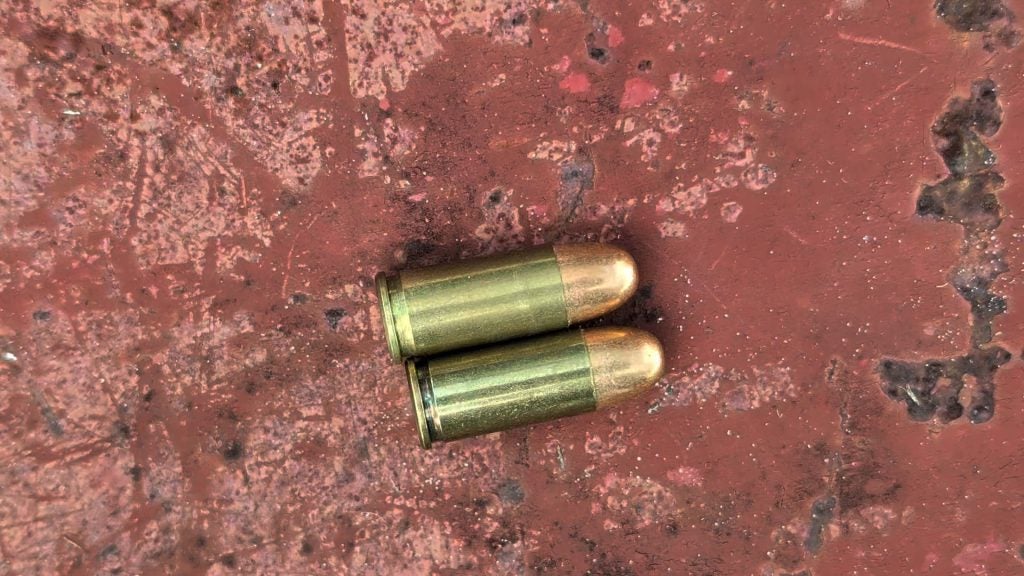
There is another reason I like the European-loaded .32 ACP. It has a much more aggressive bevel near the rim and a deep groove for the extractor. The aggressive bevel acts more like a ramp, helping prevent rimlock and improving extraction.
American .32 ACP cases often feature a sharp 90-degree rim edge, which is more prone to rimlock. It’s noticeable when comparing the two rounds side by side.
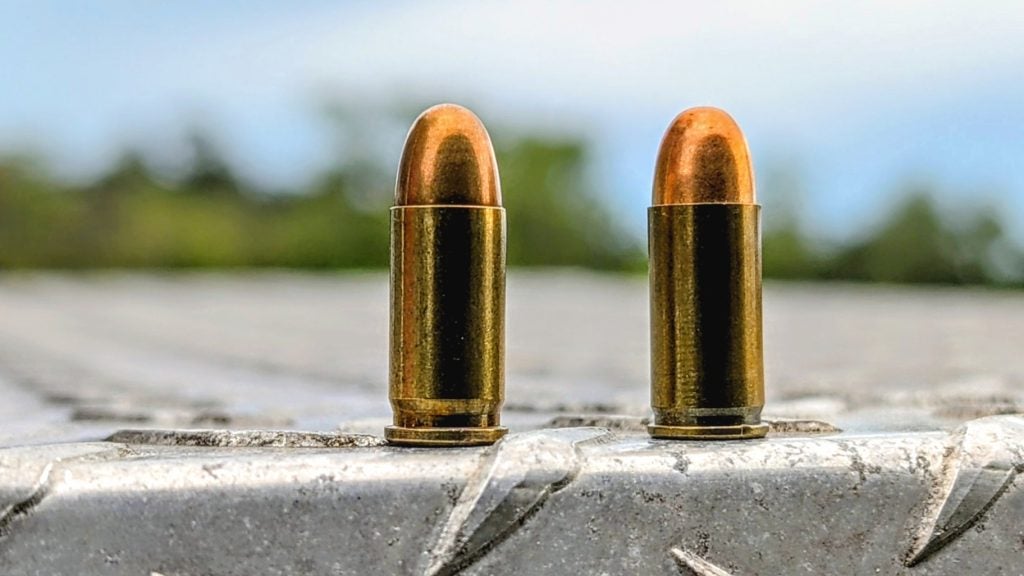
With that said, we still need to consider the quality of the company loading the cartridge. Just because it’s a Euro load doesn’t mean it’s good. Make sure it comes from a reputable company.
Alright, so we carry a European .32 ACP FMJ, unless we carry a Seecamp!
Well, Mostly
Well, mostly. Remember .32 ACP is interesting.
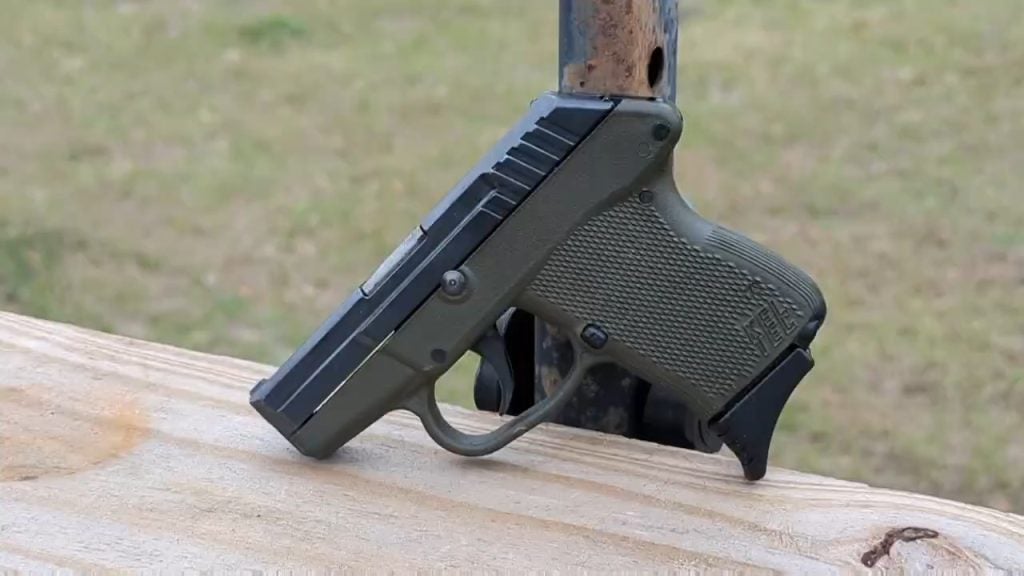
If you are carrying a Beretta 3032, which is still a common choice, you have to be careful.
Those old 3032s tended to crack their frames with hotter ammo. If you buy one, they even include a little flyer saying that if you fire a round with muzzle energy above 130 foot-pounds, you’ll accelerate wear and tear on the gun.
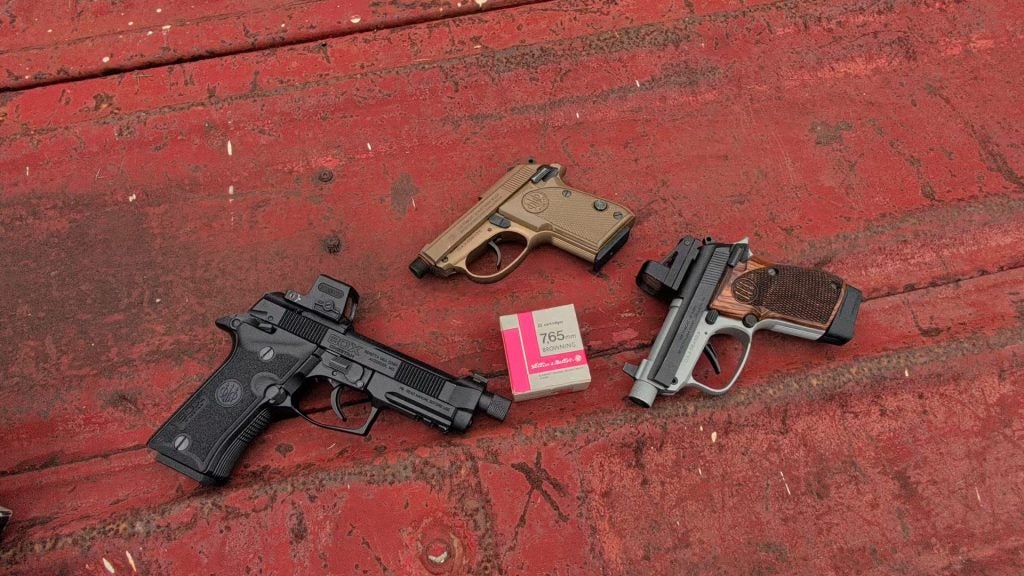
That’s a nice way to say you’re going to crack the frame. So don’t use European spec ammo in your 3032. One of the 30X’s improvements is being stronger, according to Beretta, and that little flyer doesn’t come with the 30X.
The Long Answer Finished
What about rounds like the Underwood Xtreme Defender and the Buffalo Bore +P load? I’m sure both are great rounds. They reach the penetration standard, but they are pricey and I’m not seeing what they do different than my standard 73-grain European FMJs.
Ultimately, when you carry a .32 ACP, you need to understand that penetration is more important than expansion. Additionally, many hollow points are shorter, which can lead to rimlock.
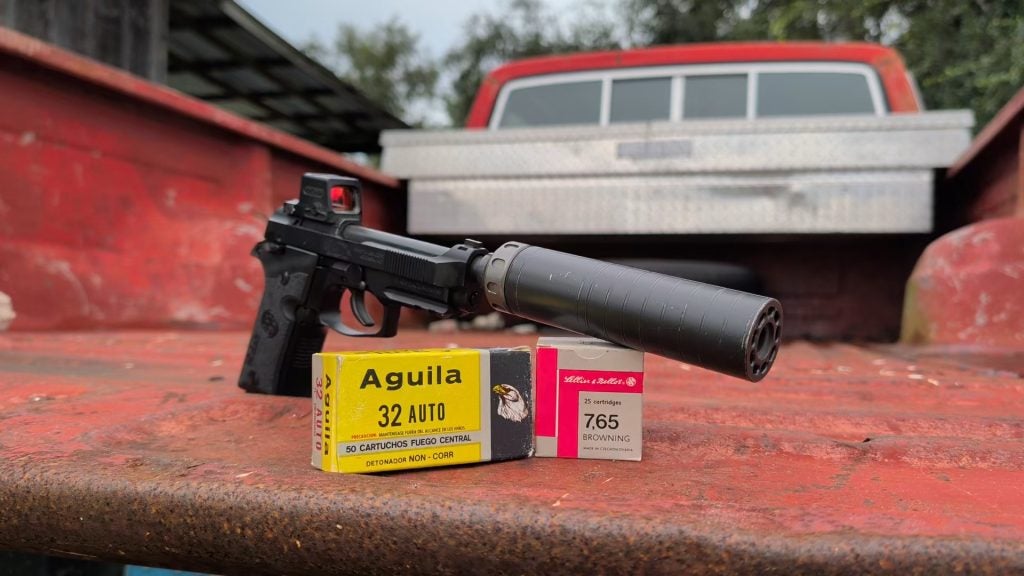
In the testing I’ve seen, FMJs tend to give the most consistent penetration. The hotter European-spec loads tend to give you more penetration, and some of those loads also have case geometry that I find advantageous for reliability
However, if you’re carrying a Seecamp or 3032, those rounds might not be the best choice for your gun.
Of course, any round you choose for self-defense should be vetted in your gun and at the range. Pick a round, shoot it, and see how it handles. As mentioned, my round of choice is the 73-grain FMJ European load. It’s reliable, affordable, and easy to find.
Is .32 ACP simple? No, but it’s most certainly interesting.